


The Parrhesia Collective’s Parrhesiapar column for the autumn–winter season will focus on migration, the inability to migrate, and the experiences of migrants. Beginning with Lerna Babikyan’s experience, this series, as in previous years, will take shape through the experiences of all of us. Lerna’s piece not only reminded us that migration has never been absent from Armenian life over the past five generations but also made us realize that we all have migrants in our families, that we all live with the idea and practice of migration, and that we rarely stop to think about what this reality means in our everyday lives. Although some members of our collective have never migrated, we can say that we all have relatives with experiences of migration and that the possibility of migration has always been present in our lives.
What I have learned from my own experience of migration is that, above all, migration is a matter of labor, bound up with different experiences of time in both the country one leaves and the country one migrates to. The importance of time is measured, in particular, by whether migrants are able to return to the country where they grew up. In other words, if migrants can determine how long they will live as migrants, that is a significant privilege. In this sense, it would be unfair to place in the same category those fleeing catastrophe, who risk disappearing at sea after throwing themselves into a small boat, and those who took part in organized labor migration to the industrialized countries of the twentieth century.
Another aspect of migration is that it ultimately points to an open-ended period of time, the outcome of which is uncertain. What happens during this time depends on how conscious a person is of their own agency, how much they would be able to choose themselves, and how fully they can actually bear the risks they have taken on.
For Armenians, migration is first and foremost the enactment of a historical memory directly associated with catastrophe. Those who survived and left, those who were able to leave, are people who, consciously or unconsciously, put into practice the will to create distance between themselves and a catastrophe in the most radical way possible. Yet physically leaving a place does not necessarily mean leaving it behind in time. On the contrary, the time of catastrophe often takes precedence over all places and continues to be lived out in the countries to which people migrate.
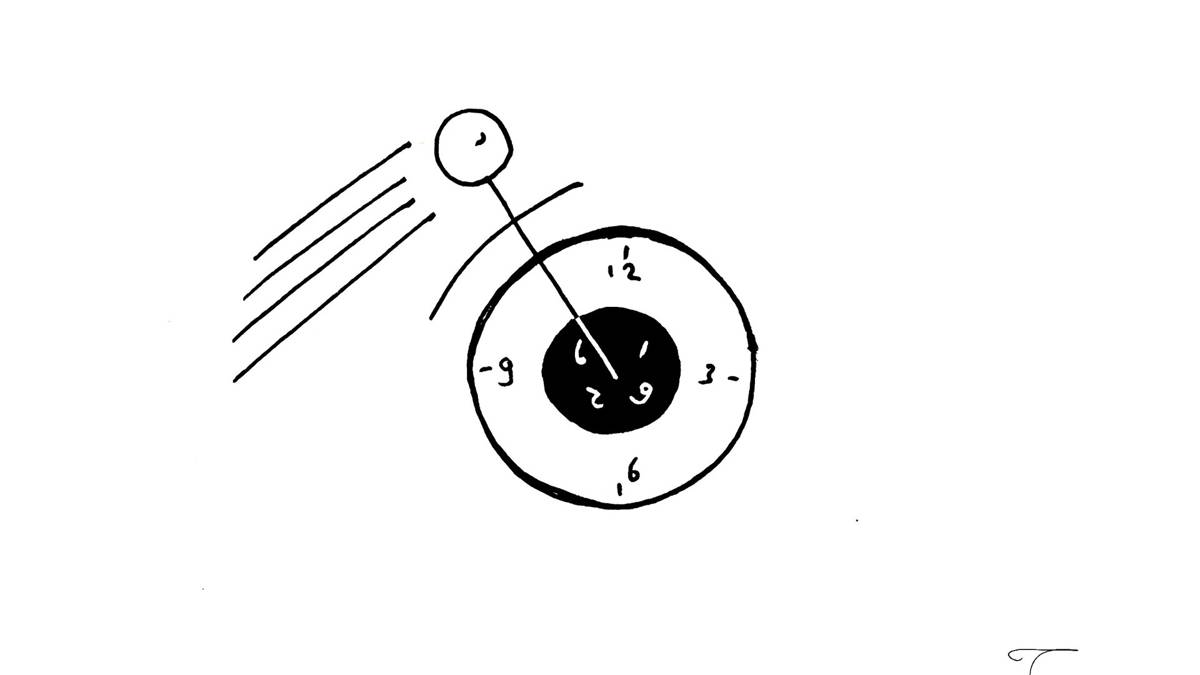
Even when migrants have physically left the countries they came from, they remain connected to those countries’ affairs through constant communication and by following the news on television channels that are effectively open 24 hours a day, seven days a week. It is as though they plug themselves into the fissures created by migration through an electrical socket, establishing a powerful connection. Their physical surroundings have changed, but the shift in time has not taken place; migrants remain suspended in the air, like a cloud.
Families in particular often say that they migrate for the sake of their children’s future. Yet the lives of every member of a migrating family change. Migration is, in fact, one of the greatest tests a family can face, because spatial and temporal adaptation does not unfold in the same way for every family member. Temporal ruptures within the family, the older generations remaining suspended in the air, and younger generations adapting to the country they have arrived in all disrupt the temporal dynamics within the family, directly affecting the bonds between generations. In this sense, when migration cannot be experienced as a voluntary decision in which all the risks have been consciously accepted, and when there are no older family members able to shoulder the consequences of the decision, it becomes a breaking point that creates temporal ruptures that lasts across generations, with effects that are multilayered and difficult to recognize.
On the one hand, migrants work tirelessly to secure a place in the everyday life of the country they have moved to, often as cheap labor. On the other, they become the tireless workers of the most invisible form of labor: maintaining communication with the relatives, friends and fellow townspeople they have left behind; continuing to function as a family; keeping relatives who have moved away from the family’s immediate circle within the web of family ties; and establishing and sustaining their connections with younger generations. It would not be an exaggeration to say that, for at least five generations, Armenians have made tremendous emotional and financial investments and devoted enormous amounts of time to overcoming the impossibilities created by geography, wars and time differences, so that they can share births, deaths, weddings, happiness and sorrow.
One of the invisible aspects of migration is that, even when people have moved under what could be considered reasonably favorable conditions, they effectively start their lives from zero, both socially and professionally. Whether they leave out of necessity or for education, work or marriage, they must learn all the social codes of the country they arrive in. It takes years to build up an entirely new body of knowledge about where and how to behave. The years spent at this complete social and institutional starting point—where familiar people, friendships built over many years and established ways of solving problems no longer work, and where the knowledge and experience accumulated up to that point seem to have no value—are a kind of test of migration itself. They test whether one has chosen oneself through migration, or whether the risks attached to a supposedly voluntary decision were ever truly understood and accepted.
The qualities and all the social and professional experience that a person brings with them to the country they migrate to can begin to acquire meaning only when they can be situated within the context of that country—that is, only after a certain amount of time has passed. In other words, for the education and skills we bring with us to become visible in another country, we must first establish our own presence within that country’s time and space and make ourselves visible. Here, too, time is a constitutive element of migration. Sometimes this process can take generations.
In his masterful work Unspoken as Heritage (2019), which examines the history of his own family and is soon to be published in Turkish by Aras Publishing, Harry Harootunian beautifully describes the process through which his parents, who had survived, migrated to the United States, as well as his own experience as a child of living within his family’s multiple temporalities. Harootunian calls this time the present-past.
As a collective, in our forthcoming pieces, we too will share our own experiences, as well as those of our families, of migrating and being unable to migrate. In doing so, we will reflect together on what the temporal and spatial ruptures that have emerged in our lives mean to us.


