

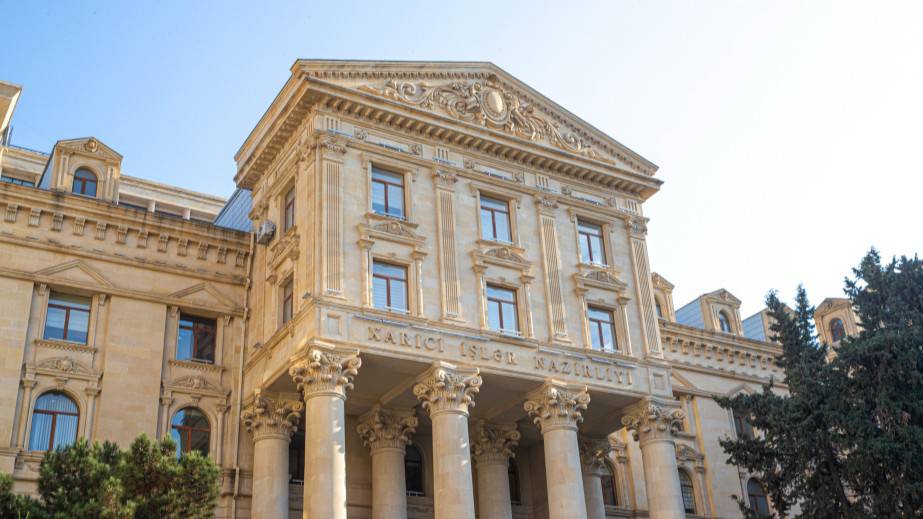
According to a statement issued by Azerbaijan’s Ministry of Foreign Affairs, Azerbaijan has added 31 Turkish citizens to its list of “persona non grata”. The ministry stated that, under Azerbaijani law, the 31 Turkish citizens had been declared “persona non grata” and banned from entering Azerbaijani territory because of calls made on various social media networks and internet platforms that allegedly targeted the sovereignty, national security, and constitutional order of the Republic of Azerbaijan, as well as its people and leadership, and called for the forcible overthrow of the government, violence on the grounds of religious radicalism, and the incitement of religious hatred and hostility.
According to Azerbaijan’s official news agency, Azertac, it was also stated that appropriate measures would continue to be taken in response to calls targeting the Republic of Azerbaijan and activities that fuel hostility.
The list of undesirable persons announced by the Baku administration includes well-known figures from politics, the media, academia, and religious circles.
Opposition politicians also on the list
According to reports in the Azerbaijani press, those banned from entering the country include Fatih Erbakan, leader of the New Welfare Party; Ömer Faruk Gergerlioğlu, a member of parliament from the DEM Party; and Yahya Uğraş, deputy leader of HÜDA PAR.
The list also includes Mehmet Boynukalın, former imam of Hagia Sophia and faculty member at Marmara University’s Faculty of Theology; journalist and writer Yusuf Kaplan; İsmail Kılıçarslan; and Ahmet Çakar, a former football referee and sports commentator.
“Persona non grata”
The statement announced that the individuals in question had been declared persona non grata under Azerbaijani law and prohibited from entering the country.
Azerbaijani authorities explained the reasons for the decision in terms of threats to the country’s sovereignty and constitutional order.
The official statement alleged that the individuals concerned had made statements through various social media platforms and websites targeting Azerbaijan’s sovereignty, national security, constitutional order, people, and leadership.
The statement also said that calls for the forcible change of the government, along with the promotion of violence, religious hatred, and hostility on the basis of religious radicalism, were among the reasons for the decision.
However, the statement did not provide specific examples of the particular statements or activities that led to each individual being included on the list.
Signal of further sanctions
At the end of its statement, the Azerbaijani government said that measures targeting calls against the country’s sovereignty and activities that incite hostility will continue.
This wording suggests that the Baku administration could impose entry bans on additional individuals on similar grounds.
As diplomatic contacts between Turkey and Azerbaijan have continued in recent times, the foreign ministers of the two countries emphasized their strategic partnership and cooperation within the Turkic world at a joint press conference on September 15.
What had happened?
President Erdoğan’s criticism, without naming Azerbaijan, at the United Nations General Assembly regarding Turkey’s position on Azerbaijan’s close relations with Israel, along with strong reactions from Turkey to the headscarves ban in Azerbaijani schools, had heightened tensions between Baku and Ankara.
In response to high-level criticism from Turkey, Azerbaijan’s ruling New Azerbaijan Party issued a strongly worded statement accusing Turkey of interfering in its internal affairs and conducting a smear campaign.
Although Kürşat Zorlu, deputy chair of Turkey’s ruling AKP, subsequently stated that “we resolve our problems within the family,” tensions between Baku and Ankara have continued. Azerbaijani President Ilham Aliyev is expected to visit Turkey at the end of this month.


