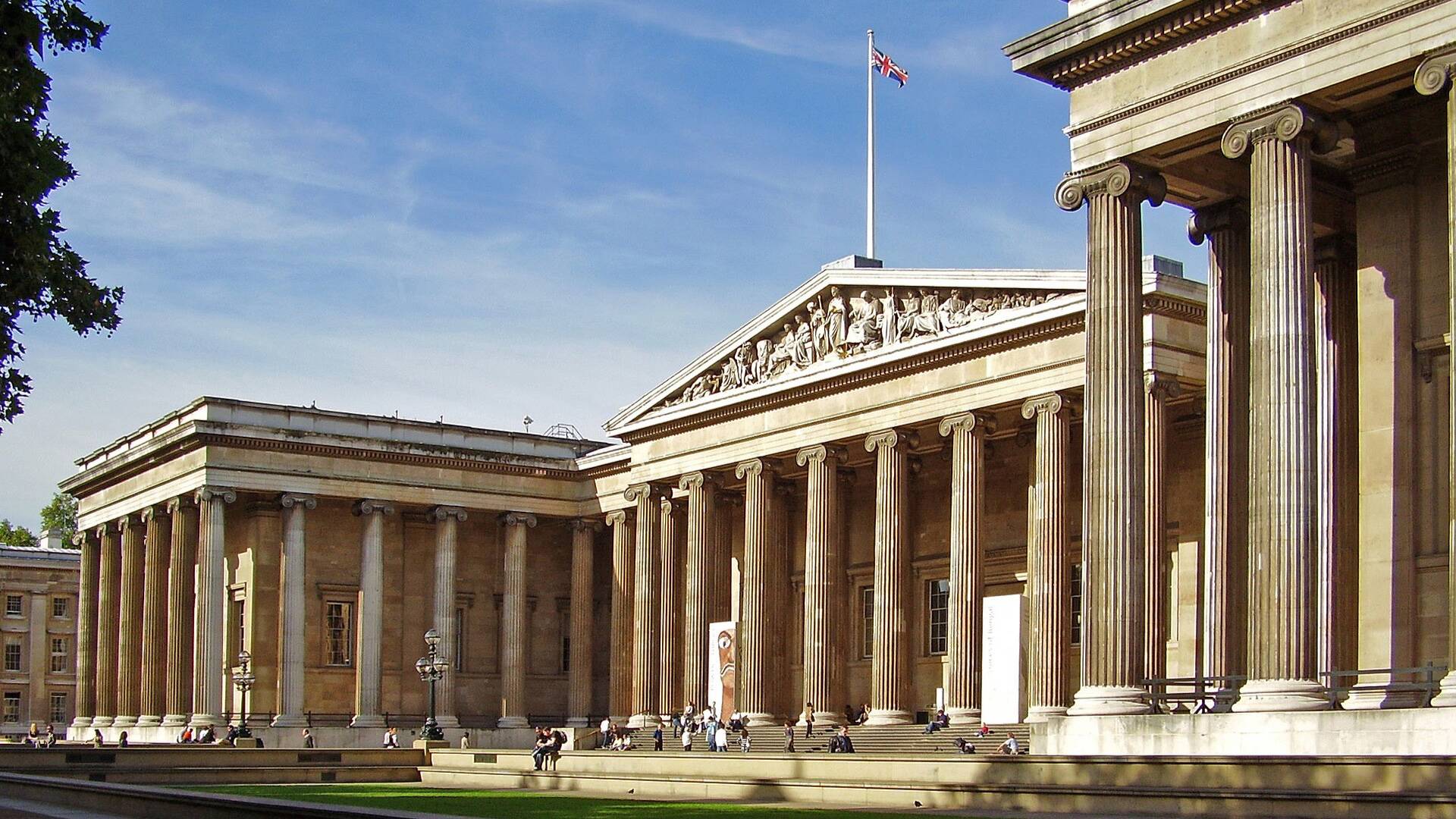


The British Museum, which has long been at the center of criticism for its controversial display of historical artifacts from various countries, is now facing a new wave of backlash. Already under pressure due to recent high-profile thefts, the museum has now removed the term "Palestine" from certain maps and informational displays within its Ancient Middle East exhibitions.
According to a report by The Telegraph, the museum management implemented these changes following complaints that the term was "anachronistic" for ancient periods. Specific objections were raised regarding the labeling of the Eastern Mediterranean coast as "Palestine" in Ancient Egyptian and Phoenician displays. The complaints were spearheaded by the UK Lawyers for Israel (UKLFI), a group that claimed the exhibitions contained “historically inaccurate references” to Palestine. In a letter sent to Museum Director Nicholas Cullinan, the group argued that the retroactive use of the term was “misleading” regarding historical continuity.
The museum did not remain indifferent to these "complaints." A spokesperson for the institution announced that the term "Canaan" would be used for the southern Levant region in ancient geographical contexts, while modern maps would adhere to United Nations terminology. The statement also noted that the term "Palestinian" would continue to be used as a cultural or ethnographic identifier where appropriate.