


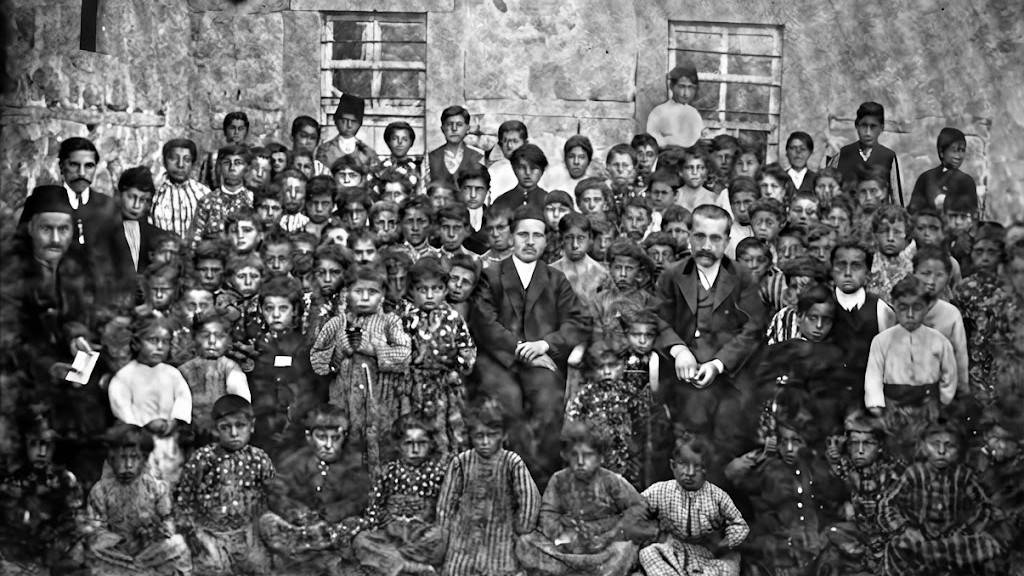
Based on the work Hay Barperagan Mamulı Kırderi Masin (Kurds in Armenian Periodicals, Bibliography 1850–1920), published in Yerevan in 1980 under the collective editorship of H. Parseghyan, A. Khachaduryan, and Y. Ghazarosyan, we had presented news reports concerning relations among Armenians, Kurds, and the central government in Armenian periodicals, in the form of headlines and summaries, and translated some important articles from Armenian into Turkish. Since this work could not be completed in a week, we decided to turn it into a series, beginning with articles and commentaries published in Azadamard, the newspaper of the Dashnaktsutyun party.
We continue to publish news reports and commentaries about Kurds that appeared in the Azadamard newspaper.
In the provinces of the Ottoman Empire where Armenian and Kurdish populations lived together, the land question was one of the most deep-rooted and dangerous issues. This was because land was the Armenian peasant's greatest asset. Consequently, Kurdish beys and aghas began to systematically displace the Armenian population in the provinces, seize their forests and fields, and plunder their religious, educational, and commercial institutions. In addition to the loss of property, this policy also caused serious loss of life among Armenians. It would not be an exaggeration to say that dozens of reports were prepared examining the consequences of these policies and that hundreds, even thousands, of news reports were published in newspaper pages.
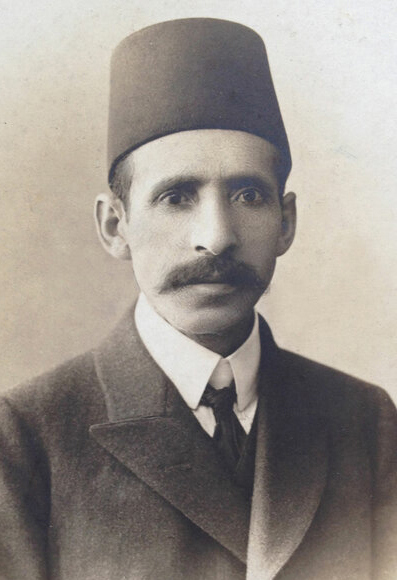
The Armenian Patriarchate of Constantinople officially submitted to the Palace a report prepared through a commission it had established. The report entitled “The Land Question in the Provinces Inhabited by Armenians,” prepared in 1910 by Kegham Der Garabedyan, the Ottoman Parliament's deputy for Mush, was serialized in the Azadamard newspaper.
The efforts and proposals of Armenian intellectuals and their political parties to advance and develop education among the Kurds were never lacking. The editorial entitled “Kurdish Children in an Armenian School,” published in issue No. 397 of Azadamard in 1910, remains inspiring and educational even today and offers guidance on finding solutions to problems.
In 2026, Armenian people still seek ways to address their own educational problems, and children arriving from Armenia for a safe haven, free from bureaucratic anxieties.
For years, the call “Let us speak through life, not through blood” has been heard countless times in the pages of Agos. How remarkable that the idea of “disarming the Kurds,” which came to the fore a century ago, evolved into a “peace process” a hundred years later. As readers may recall, we previously published an account of developments during that period. With this brief reminder, let us continue to look at the news dispatches from the region. One final note: with this installment, we are taking a short break from our series. We will continue.
Selections from the Azadamard newspaper
1910, No. 324
A report entitled “Mir Miher's New Acts of Greed.” It concerns the actions of the Kurdish tribal chief Mir Miher in the village of Khırapar (Urfa), in the Norduz sanjak (an administrative district of Van).
1910, No. 326
The report entitled “Kurdish Bands Against the Government” addresses tensions between Kurdish gangs and Turkish government forces.
1910, No. 333
The report entitled “Kurdish Raiders Against the Government” discusses clashes between the Kurds of Bitlis and government forces.
1910, No. 334
The report entitled “Armenian and Kurdish Peasants Fight Together Against Their Dictators” concerns protests by Armenian and Kurdish residents of the village of Balaban Khıntsorag against the centuries-old oppression of the Balaban Gulabi-Zatens.
1910, No. 402
A proposal aimed at studying the history of the Kurdish people and strengthening friendly relations between Kurds and Armenians is presented. The issue of “Educating the Entire Kurdish People” is discussed.
1910, No. 444–455–456
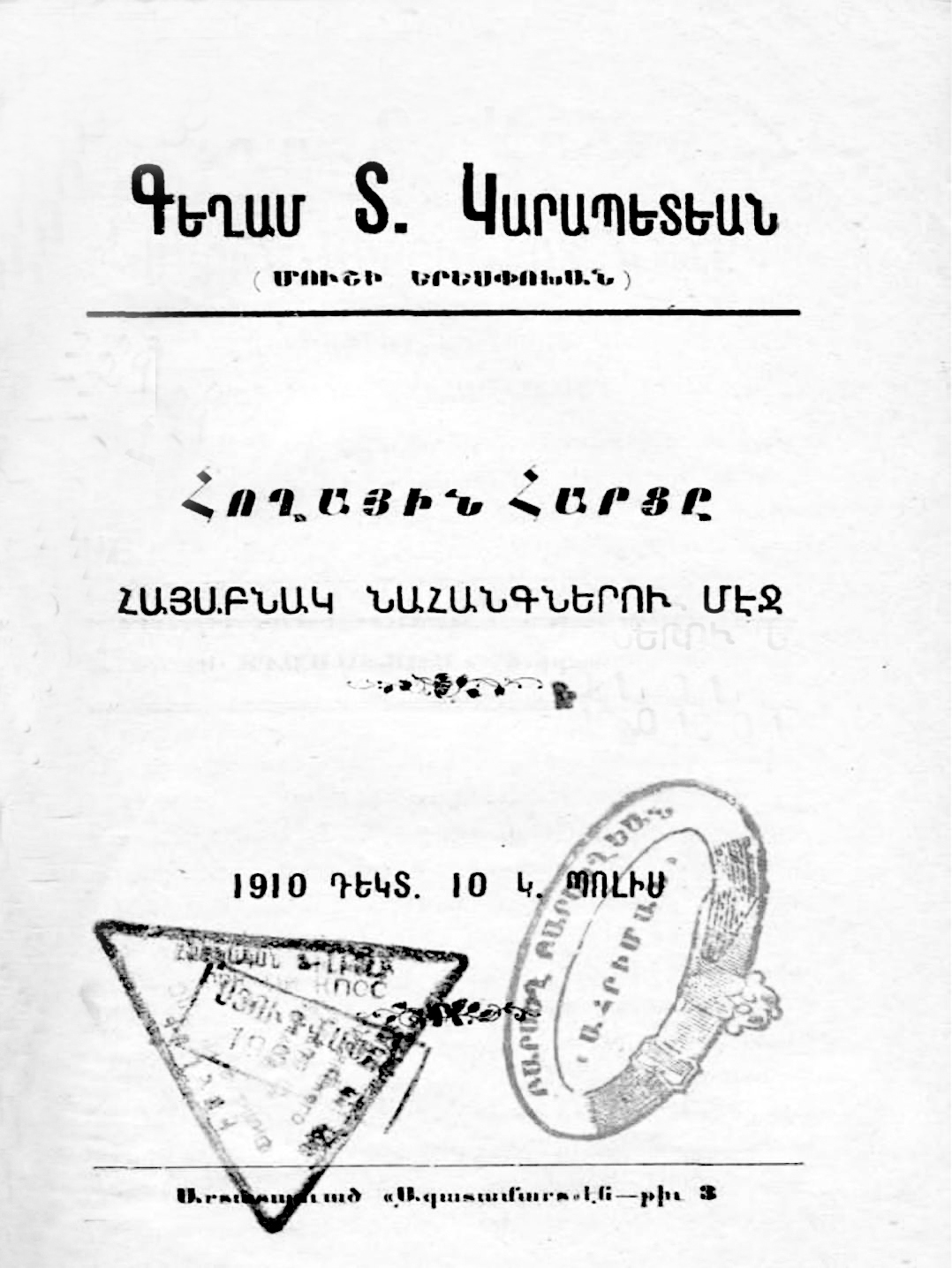
Kegham Der Garabedyan's study of the land question and the socioeconomic conditions of Kurds in Turkey is published over three issues. The study closely examines land relations between Kurds and Armenians.
1910, No. 461
The report entitled “For Armenians Who Speak Kurdish and Arabic” calls for the expansion of educational opportunities for Kurdish-speaking Armenians in 150 Armenian villages in Siirt.
1910, No. 472
A protest by 31 Armenian and 17 Kurdish peasants in the village of Hıntsoreg, Erzincan (today the village of Pınarlıkaya in the Üzümlü district of Erzincan province; Z.M.), against the notorious Gulabi aghas is reported.
1911, No. 503
The report entitled “Tribal Uprisings” discusses the Barzani movement in Mosul and its gains against Turkish forces.
1911, No. 520
In his article entitled “Kurdish-Speaking Armenians and the Kurdish Language,” K. Muratyan discusses Armenian-Kurdish cultural relations, several distinctive features of Kurdish, and Armenian dengbêjs/singers.
1911, No. 530
The article entitled “The Needs of Kurdish Speakers in Primary Schools” addresses the expansion of educational activities in Kurdistan and the problem of keeping schools open.
1911, No. 634
The article entitled “Kurds, Too, Shed the Same Bitter Tears” examines the socioeconomic conditions of Kurds in Turkey and discusses the abuses committed against Kurdish peasants by Kurdish Kör Hüseyin Pasha and his collaborators.
1911, No. 641
The article entitled “On Kurdish-Speaking Armenians” discusses schools opened by the United Armenian Associations for Kurdish-speaking Armenians in Silvan, Zırkani, Pişerik, and Parahamk. It also mentions the activities of the newly organized “Red Cross” association.
1911, No. 646
In his article “Tribal Customs,” H. Haçigyan examines the socioeconomic conditions of the Kurds, Kurdish tribes, and their forms of administration and governance.
1911, No. 667
The report entitled “Kurdish Revolts on the Turkish-Iranian Border” examines the activities of Abdül-Razagi and Kurdish-Russian relations.
1911, No. 753
H. Şahbazyan's book entitled “Kurdish-Armenian History”, published in Constantinople in 1911, is introduced.
1912, No. 806–810
The report entitled “Kurds and Turks Also Bring Charges Against Musa Beg” states that “Musa Beg continues his activities in Mush with the participation of the Turkish government.” (We recall the name Musa Beg from the book Gulizar’ın Kara Düğünü:Bir Kürt beyi tarafından kaçırılan Ermeni kızın gerçek hikâyesi [Gulizar's Black Wedding: The True Story of an Armenian Girl Abducted by a Kurdish Bey], written by Arménouhie Kévonian and published by Aras Publishing. Z.M.)
1912, No. 818
The report entitled “A State Within a State” discusses the social, economic, and political situation of Kurds in Mush and reports on the domineering activities of Musa and Kasım Bey.
1912, No. 839
A report states that “Musa and Kasım Bey, who have been prosecuted for their misdeeds, will receive an imperial pardon.”
1912, No. 848
A.Menag's article entitled “Within the Framework of Kurdish Movements.” It discusses Kurdish movements in Van province under the leadership of Sheikh Abdül Ğazi and his struggle against his cousin, Sheikh Fahar.
1912, No. 858
A letter sent by Bishop Nerses Harhanyan, the spiritual leader of Mush, to the patriarchs concerning the socioeconomic conditions of the Kurds.
1912, No. 955
The article entitled “New Kurdish Literature” refers to Armenian and Kurdish quatrains concerning the historical past and contemporary history of the Kurds.
1912, No. 982
“Information About Several Kurdish Tribes”: The activities of the Kurdish Gravatsi, Mahmuransi, Diniasi, and Vozmisi tribes are discussed.
1912, No. 982
The report entitled “The Arrest of Mir Mihe and Sait Bey” concerns complaints lodged by Armenians and Kurds with local authorities about Mir Mihe and Sait Bey.
1912, No. 990
The report entitled “Kurdish Students” discusses the activities of the Kurdish Students' Association in Constantinople.
1914, No. 1505
The report entitled “Kurdish Union” states that “the Kurds are preparing for new movements” and discusses the union's activities.
1914, No. 1534
In his article “A Forgotten Province,” Şah Armen discusses the socioeconomic conditions of the Kurds of Hınıs, their traditions, and their conduct and behavior.
Kurdish children in Armenian schools
(Azadamard newspaper, 1910, No. 397)
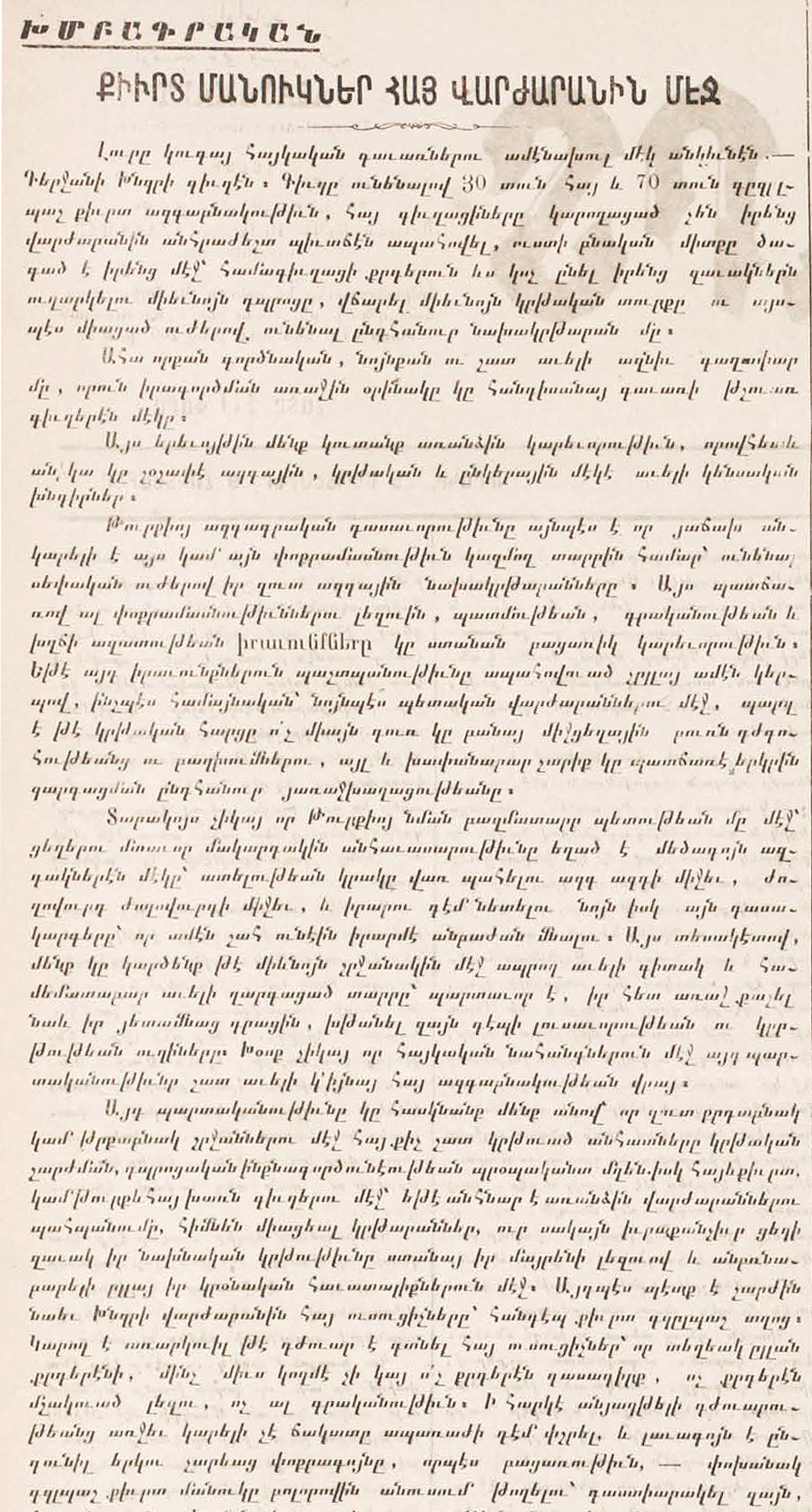 The report comes from one of the most remote corners of the Armenian provinces, the village of Hınzır in Tercan, Erzincan (today part of Otlukbeli district; Z.M.). The village has 30 Armenian households and 70 households belonging to the Qizilbash Kurdish population. The Armenian villagers have been unable to cover the necessary expenses for their school. Then, a natural idea has emerged among them: they have proposed inviting their Kurdish neighbors to send their children to the same school and pay the same education tax (fee), so that by combining their resources they can establish a shared primary school.
Here is an idea put into practice by one of the most impoverished villages in the province, an idea that is as practical as it is noble and honorable!
We attach particular importance to this development because it touches upon several vital issues from national, educational, and social perspectives.
Turkey's demographic structure is such that it is often impossible for a minority community to establish and maintain primary schools exclusively for its own people using its own resources. For this reason, the rights of minorities to their own language, history, literature, and freedom of conscience acquire exceptional importance. If these rights are not fully guaranteed in both community schools and state schools, it is clear that the issue of education will not merely open the door to serious unrest and conflict among peoples; it will also become a disaster that obstructs the country's overall development and progress.
“The responsibility falls on the Armenian population”
There is no doubt that in a multiethnic state such as Turkey, disparities in the intellectual and cultural levels of different peoples have been among the greatest factors fueling hatred between nations and communities, even setting social classes against each other while their interests are inseparable. From this perspective, we believe that the more conscious and relatively more developed group living in the same region has a responsibility to help its less advanced neighbors move forward alongside it and encourage them on the path toward enlightenment and education. Undoubtedly, in the Armenian provinces, this responsibility falls primarily on the Armenian population.
We understand this responsibility as follows: In regions inhabited exclusively by Kurds or Turks, Armenian individuals with some education should promote and expand educational initiatives and school activities. In mixed Armenian-Kurdish or Turkish-Armenian villages, if it is impossible to maintain separate schools, joint schools should be established. However, at these schools, every nation's children must receive their basic education in their own mother tongue, and their religious beliefs must not be interfered with. The Armenian teachers at the Hınzır school, too, should treat Kurdish peasant children in accordance with this principle.
It may be objected that finding Armenian teachers who know Kurdish is difficult and that, on the other hand, there are no Kurdish textbooks or established written language and literature. Of course, there is no point in beating one's head against a wall in the face of insurmountable difficulties, and one must choose the lesser of two evils: as an exceptional measure, teaching Kurdish peasant children in Armenian may be acceptable rather than leaving them completely without an education. However, this should be a temporary arrangement, lasting only until Kurdish intellectuals or qualified individuals develop a Kurdish alphabet, produce books, and train teachers.


