


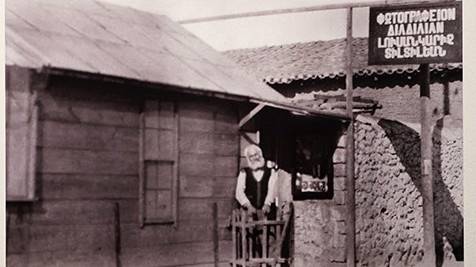
The Dildilyan Brothers photography exhibition, displayed for three months at the Yerevan History Museum in Armenia, features images of the family's departure from Samsun by boat in 1922, followed by scenes from the refugee neighborhoods of Kokkinia in Piraeus, the construction of a new home in Kokkinia, the opening of a new photography studio, and the beginning of a new life. Previous versions of this exhibition were curated by Ioannis Motsianos (Greece), Işın Önol (USA), Asena Günal, and Kirkor Sahakoğlu (Turkey). The thousands of photographs and glass negatives preserved in the Dildilyan family archive is a unique treasure for Armenian families who survived the genocide. The exhibition also includes photographs from private collections and the archives of Anatolia College.
Dildilyans' migration to Greece

In 1922, when the Armenians who remained in Anatolia were forced to leave their homeland, the brothers Tsolak and Aram Dildilyan also permanently departed Anatolia. With less than 24 hours to prepare, they, hurrying to pack their belongings, chose to leave behind their personal possessions so they could fit hundreds of glass negatives into their suitcases. Traveling via Odesa and Istanbul, they arrived in Piraeus as refugees during the second week of November 1922. A few months later, Dildilyan brothers opened their first photography studio in the refugee settlement of Nea Kokkinia and successfully established themselves in the broader Piraeus market.
Activities in Greece between the two world wars
Having lost everything except their archive and expertise, Dildilyans began their photographic work by documenting the refugee settlements of Piraeus. Through their lenses, they recorded the daily lives, social events, and integration of thousands of Anatolian and Armenian refugees in newly established neighborhoods such as Kokkinia and Drapetsona. Dildilyan brothers did not limit themselves to studio portrait photography. They immortalized scenes of orphaned children arriving in waves and being placed in refugee camps, as well as their long wait for hours in Athens' Zappeion Park. Adopting a photojournalistic style, they documented the volcanic eruptions on the island of Santorini in late 1925 and early 1926. This was followed by a series of photographs taken after the devastating earthquake that destroyed the city of Corinth on April 22, 1928.
Following the death of the family's master photographer, Tsolak Dildilyan, in 1935, responsibility passed to the next generation, his son Hmayag and daughter Alice. Equipped with the craftsmanship and aesthetic values inherited from their father, they successfully operated the studio in Piraeus until the early 1950s, continuing to preserve the memories of both the city's Armenian community and the local population. Toward the end of the 1930s, with the opening of a modern studio on Panayi Tsaldari Avenue in Nea Kokkinia, the two siblings continued their work during a turbulent era marked by the rise of dictatorship in Greece and the spread of Nazism across Europe. World War II proved particularly difficult for Dildilyan family. During the great famine of the winter of 1941–42, the family struggled to obtain food. While the Gestapo arrested men between the ages of 14 and 60 throughout occupied Greece, Dildilyan’s studio managed to survive, although the years that followed exacted a heavy toll.
The final generation of photographers then moved to the United States. The family dispersed. While some members remained in Greece, others emigrated to France and the United States, taking the archive with them. The complete archive consists of more than 900–1,000 historical photographs and glass negatives. Spanning half a century of life (1888–1940), the archive reveals the lost world of Asia Minor, the horrors of the genocide, and the emergence of a Greece transformed by the arrival of refugees. With the retirement of Aram and Hmayag, Dildilyan family's nearly century-long photographic legacy came to an end.
A Photograph from the Archive: Miss Kokkinia 1931
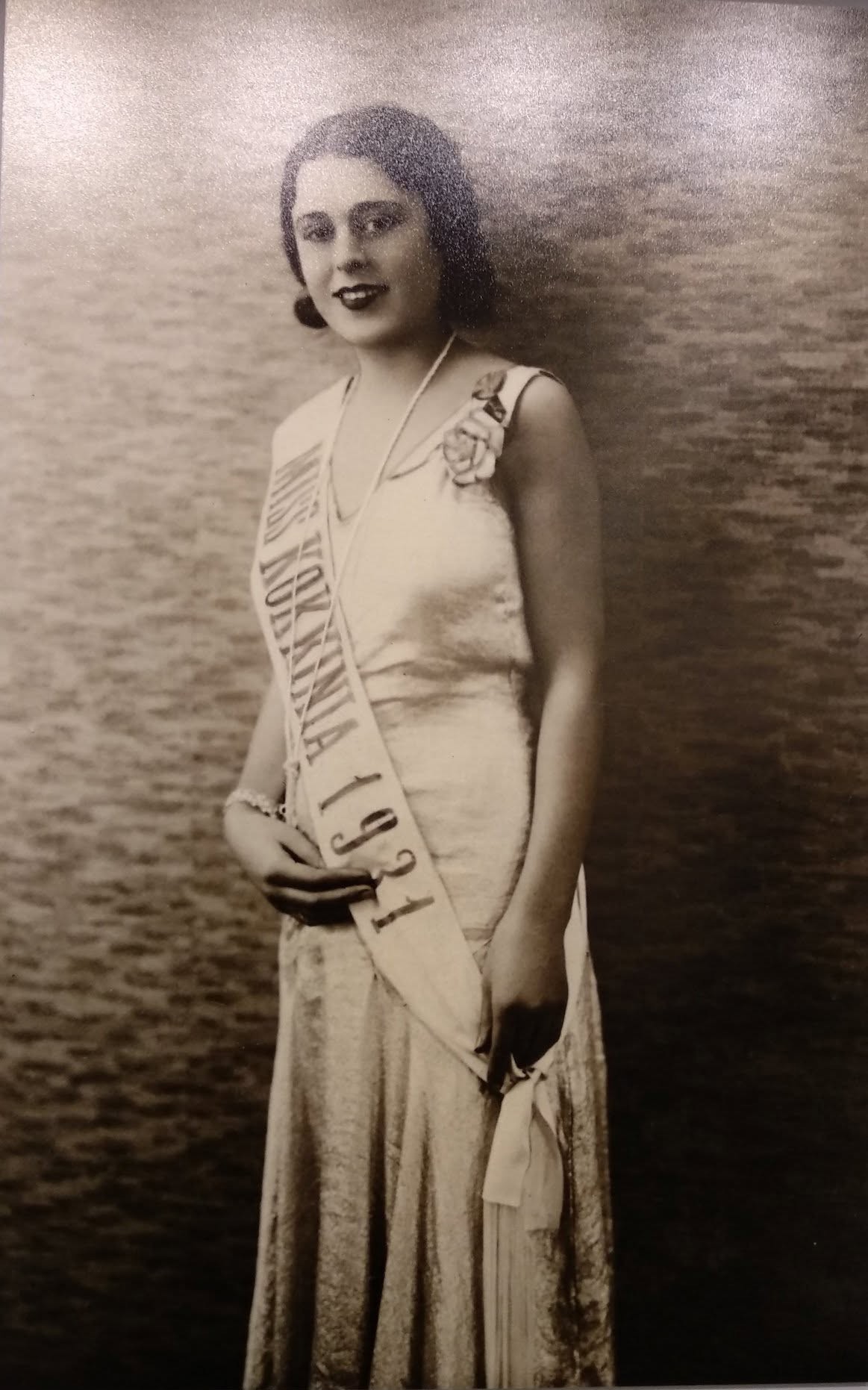
One of the most fascinating photographs in Dildilyan Brothers exhibition hosted by the Yerevan History Museum is the portrait of Miss Kokkinia 1931.
Beauty pageants were among the most popular public events in Athens and Piraeus during the 1930s, frequently appearing on the front pages of newspapers and magazines. In the early 1930s, refugee settlements in Athens and Piraeus, including Kokkinia, Tambouria, Drapetsona, and Nea Ionia, organized local beauty contests. Young women sought not only to win local titles but also to claim the crown of "Miss Greece" as a way of escaping the refugee neighborhoods. Although living conditions in the Kokkinia refugee settlement were difficult, beauty pageants served as an avenue of escape, entertainment, and social advancement for young women newly arrived from Anatolia. While the people of Greece, caught between war and poverty, selected neighborhood beauty queens to the accompaniment of rebetiko music, it fell to Dildilyan Brothers to preserve these moments through photography. In 1931, the title of "Miss Kokkinia" was awarded to Georgia Hacistilyanu. Her photograph appeared on the commercial business cards used by the Dildilyan brothers.


