

I was in a fish restaurant in Arnavutköy (İstanbul) this weekend. The tomato salad with caramelized onions and a bit of garlic is incredible. It’s been about 10 years since I last visited with my wife. This past weekend we were on a long walk on the shoreline of the Bosphorus and decided to visit. The welcome was warm. Then came the kind and cozy questions about where I was from.
At the mention of L.A. one waiter grinned saying, “Los Angeles Lakers.” At the mention of Armenia, the other waiter declared “Ermeni Altini” which means “Armenian Gold” in Turkish. My smile shriveled into the roll of the eye and that feeling of slight indigestion caused by bad taste.
For the uninitiated, since the Armenian Genocide, to this day there are several metastasized myths perpetuated by the Turkish and Kurdish communities currently living in Eastern Turkey on lands that were Armenian towns, villages and prefectures during the Ottoman centuries.
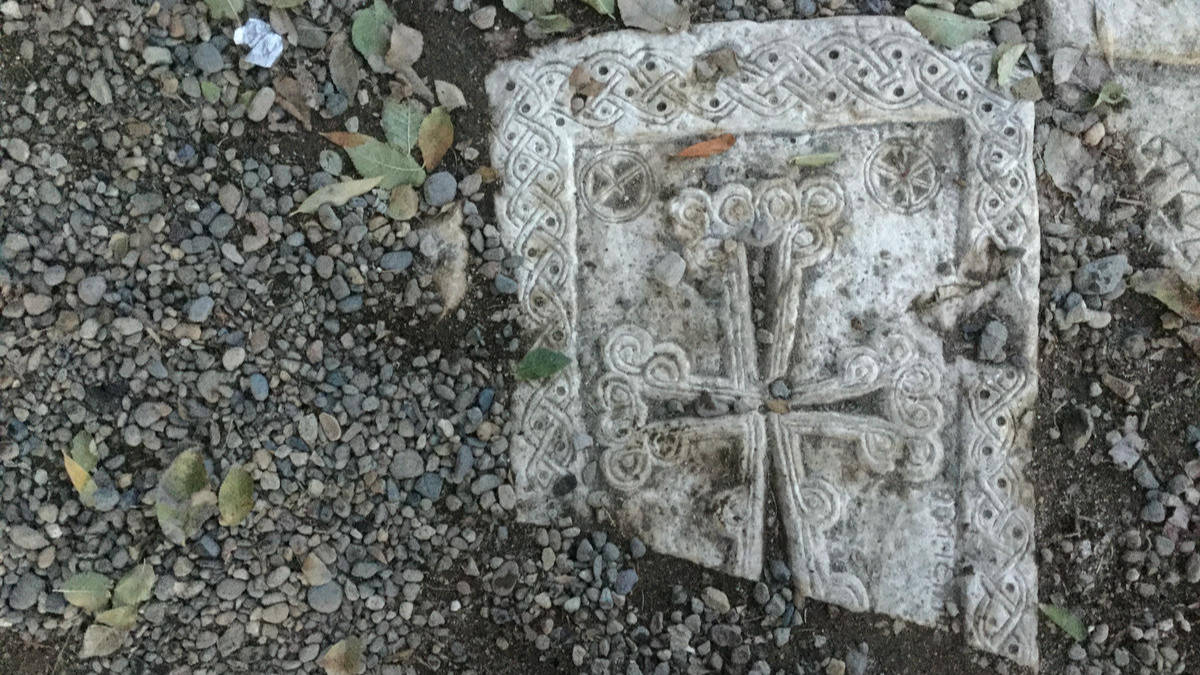
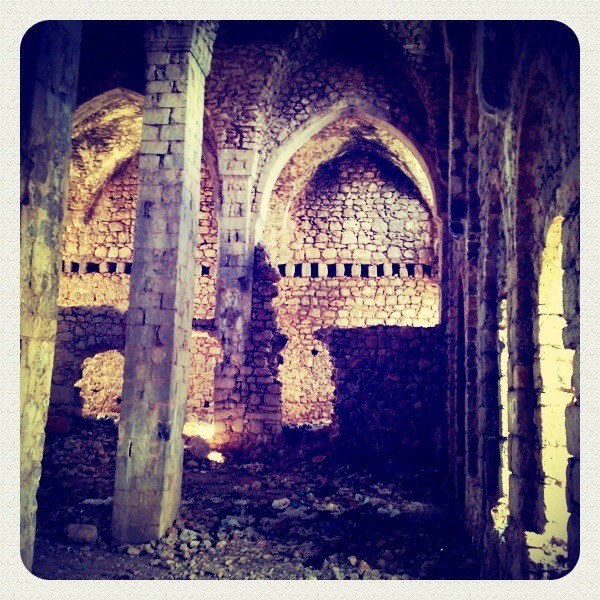
With the erasure and ethnic cleansing of the Western Armenian millennial-old populations during the Armenian Genocide of 1915, quite a few generations of treasure hunters began desecrating Armenian churches and architectural monuments looking for vast troves of mythical gold that apparently the Armenians buried to hide while their entire families and populations were being slaughtered.
For more than a century, continuing to this very day, these treasure hunters exist in various facets of Turkish society, fully convinced that there are endless deposits of Armenian gold worth zillions and that the jackpot is within reach. There were, at one point, even internet groups sharing notes and maps of the Armenian El Dorado.
The statement that our kind-faced waiters and restaurant staff made as the delicious plates of food were being served soured in my soul, if I am being perfectly honest. Their well-intentioned behavior was unwittingly indicative of a much larger problem caused by the lingering stereotypes of Armenians in the consciousness of a segment of Turkish society hailing from the eastern provinces closer to Armenia.
The other staff member from the management side even went so far as to say that there is a lot of gold in Armenia today to which my sister in law rolled her eyes and declared that what he was saying was mere legend. I don’t speak Turkish otherwise I would have given him a colorfully worded lecture that would have lasted well past dessert time.
If I had to explain — to paraphrase Hrant Dink — that the real treasure remains above ground in the ruins of churches and last vestiges of the Armenian presence in eastern Turkey, would they understand?
Over a decade ago when I was traveling across eastern Turkey, this statement resurfaced in Yalnizkoy in Kharpert (Harput) province and in Bitlis where William Saroyan’s family was from. It surfaced also in Chunkush and Van as we saw with our own eyes the desecrations to the ancient sites by treasure hunters who even dug up the skull of an Armenian priest in Van, probably thinking there may have been gold inside.
In this existentially strange time for Armenia as it continues to wade its way through the disasters of the war in Artsakh (Nagorno-Karabakh) and finalize whatever will be of a so-called peace process that continues to ignore the fate of the 130,000 Armenians from Artsakh ethnically cleansed from their ancestral homeland, the echoes of deportation and Genocide remain front and center of the Armenian consciousness in the Diaspora and Armenia even though the current Yerevan administration is self-censoring itself to appease the denialist position of Turkey and Azerbaijan.
Add to that, Ilham Aliyev’s irredentist declaration that the Republic of Armenia is “Western Azerbaijan” and for Azeris to return in convoys of cars to reclaim their lands, only adds bitter diesel to the stinging burn of a population still coming to terms with what the future of this peace initiative will mean for Armenia and her neighbors.
All this came spilling out of my thoughts as I stared at the grilled calamari and the polite waiters saying “Ermeni Altini” at the fish restaurant. However, I digress. Such is part and parcel of discussing anything relating to the uncomfortable politics of all things Armenian and Turkish.
As Leonard Cohen sings in Anthem, “You can strike up the march…there is no drum.” This march for peace is being planned with endless closed-door meetings and phone calls between the leaders of all three countries - Armenia, Azerbaijan and Turkey, but the drum beat is unclear concerning the long-term vision of what peace will mean for the thousands of moms and dads of Armenia and Azerbaijan who lost their sons to the war.
Their greatest and most priceless “treasures” were their children, now underground killed by bombs and bullets as bureaucrats above ground carve out deals that will first benefit the economics of the ruling class. Hopefully they will see the potential for a much more equitable “gold” standard of diplomacy that goes far beyond the metrics of economics and real estate stained by war and will help the populations understand the true meaning of a just if uncomfortable peace that will endure…hopefully.