e-Newspaper/Archive
Agents
Contact
Subscribe Now
Login
Tr
Հայ
Search
Armenian Society
Authors
Book/ԳԻՐՔ
Hrant Dink
Agos' Agenda
Türkiye
Armenia
World
Faces/Stories
Human+Rights
Once Upon a Time
Culture And Arts
Life
Search
☰
☰
Parrhesiapar
Page 1
Lerna Babikyan
8 Ekim 2026
On the Threshold: Visibility, Labor, and Belonging
Although offers for unpaid work are less common in the UK, the country where the playbook of capitalism was written, offering unpaid work or proposing compensation far below market value in exchange for "visibility and recognition" is extremely widespread
Talin Suciyan
18 Haziran 2026
Love language: “Rüpriz”
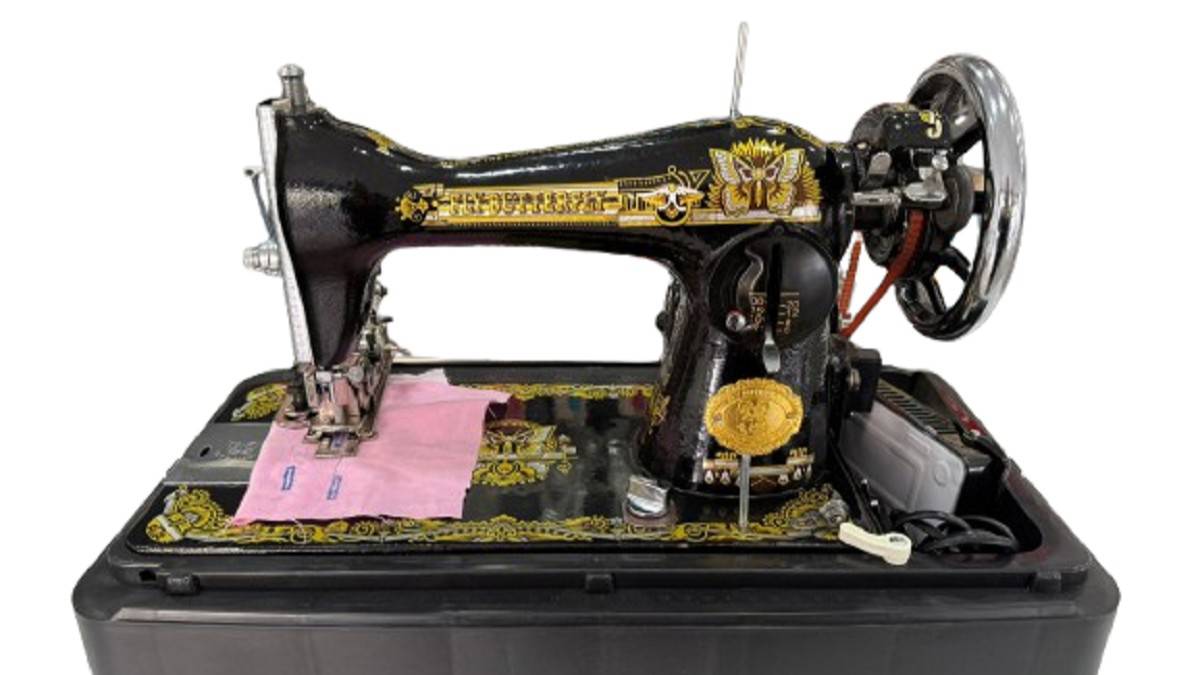
We were the only ones my grandmother created out of nothing; the rest was just mending tears, trying to close gaps, and making repairs.
Aylin Vartanyan
5 Haziran 2026
A quiet pedagogy of self-protection
"Canadian physician and writer Gabor Maté suggests that chronic adaptation, the suppression of anger, and the tendency to prioritize the needs of others, particularly among women, can place a long-term burden on the body. He speaks not of a direct cause-and-effect relationship, but of a meaningful convergence worth attending to. When a person cannot say “no,” the body may begin to express what could not otherwise be spoken."
Aylin Vartanyan
14 Mayıs 2026
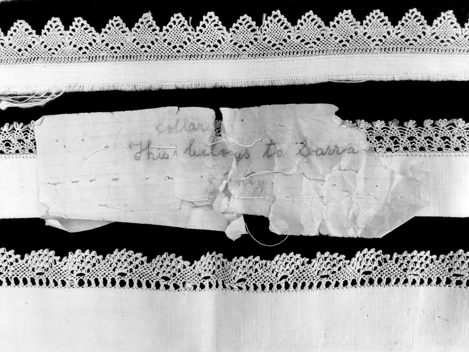
The Silent Language of Armenian Needlelace
Such tiny objects. Yet entire worlds survive inside them. Satinig’s hands touched these threads before her death. Decades later, Valoma touches the same fabric. Textile becomes encounter. Material becomes witness.
Talin Suciyan
18 Nisan 2026
Colonial Order: The Time of Patriarchy and Whiteness
What is the connection between Frantz Fanon and Zaven Biberyan?
Aylin Vartanyan
21 Mart 2026
Where Did We Learn Not to See? Gaze, Power, and the Politics of the Body
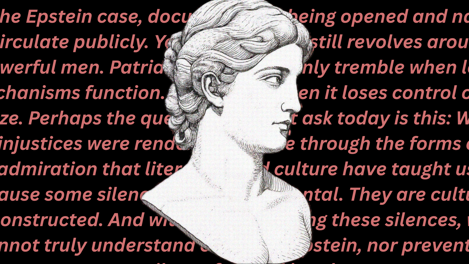
And perhaps one of the most striking symbols of this blindness is the aircraft that came to be known as the ‘Lolita Express.’ How could so many powerful adults, from business figures to politicians, from academics to scientists, board an aircraft carrying this name without question? A plane named after a young girl became a chilling symbol of how normalized this regime of gaze had become.
Talin Suciyan
6 Mart 2026
The Colonial Order: Growing Up with Epsteins
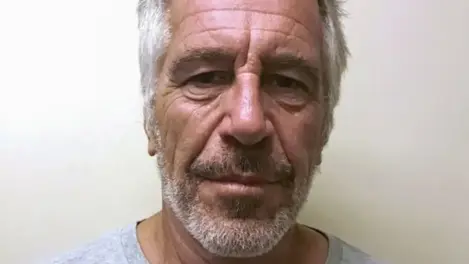
These days, every woman following what is being written about the Epstein case should watch Epstein’s videos—especially those recorded after his conviction.
Meri Tek Demir
20 Şubat 2026
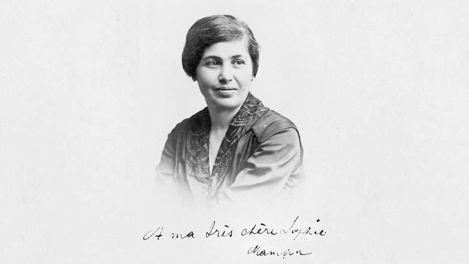
Revisiting Yesayan’s Literary Legacy on the Occasion of Her Birthday
Lerna Babikyan
10 Şubat 2026
The Field: An Ecology of Learning Brought to Life by Dance
Talin Suciyan
8 Ocak 2026
From Within a Mountain, Against It and Alongside It
How many Armenians felt a sense of relief in those moments, while simultaneously being engulfed by an overwhelming feeling of guilt? The inability to protect the values one has created is a historical legacy, which isoften entirely unrecognized.
Tamar Gürciyan
22 Aralık 2025
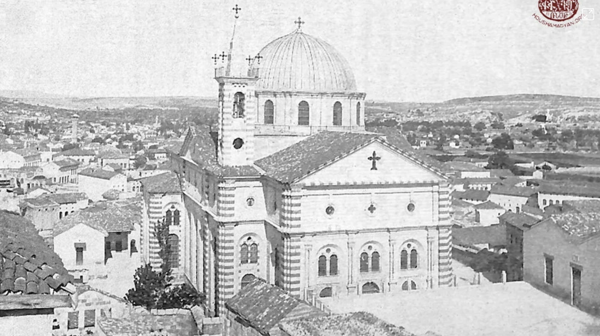
Balyan or Kadehciyan? A Debate on the Surp Asdvadzadzin Cathedral in Antep
In the Houshamadyan book, there is a section dedicated to Sarkis Usta Kadehciyan under the heading 'The Architect of the Armenian Church of Antep.' This section states that he served as the 'Chief Municipal Architect' for many years, trained many masters, and that many buildings in Antep were his work.
Araz Kojayan
18 Aralık 2025
Remembering Armenag Yeghiayan
Lerna Babikyan
24 Kasım 2025
Seeking Wholeness in a New Life: Boundaries and Fine Lines
Ecosomatic practices, which are also experiential learning practices, are being widely used globally by experts in various fields—in addition to dance—such as psychology, education, art therapy, healing architectural design, and climate activism. This is because they develop skills like sensory awareness and empathy, and can help re-establish the lost connection with the 'Other.'
Araz Kojayan
9 Kasım 2025
One Kilo of Almonds, One Block Down
One hot summer afternoon, my father asked me to bring back “one kilo of almonds,” (noush in Armenian). I was to try our local grocers first, but if I couldn't find any, I had permission to go to Nor Marash. My wish had finally been granted. That day, I gained the opportunity to cross the avenue that was otherwise off-limits to my nine-year-old self. I entered the first shop with enthusiasm. Noticing that no one was speaking Armenian, I simply said, “Baddi kilo noush” (one kilo of noush in Arabic), not realizing that “noush” was not an Arabic word.
Aylin Vartanyan,Talin Suciyan
26 Ekim 2025
Hair, Body, and Power
Photographs showing Armenian women with long, braided hair were mostly taken before 1915. After that date, in cities such as Aleppo, Beirut, Jerusalem, Alexandria, Cyprus, Syros, Athens, Piraeus, and elsewhere, surviving Armenian women, orphans and widows alike, appear with their hair cut short or completely shaved. The hair of children, in particular, was often shaven off. Cutting the hair of women and young girls was seen as a precaution against an invisible threat.
Meri Tek Demir
12 Ekim 2025
“An Apology for Armenian Feminism”
Every March 8, various events are held on the Ottoman Armenian women’s movement, and over the years a considerable number of books and opinion pieces have been published about these pioneering writers. Yet I must admit — and this forms the first reason for my “apology” — that their literary production has largely been overshadowed by their life stories.
Talin Suciyan
26 Eylül 2025
Remembering that we are weavers
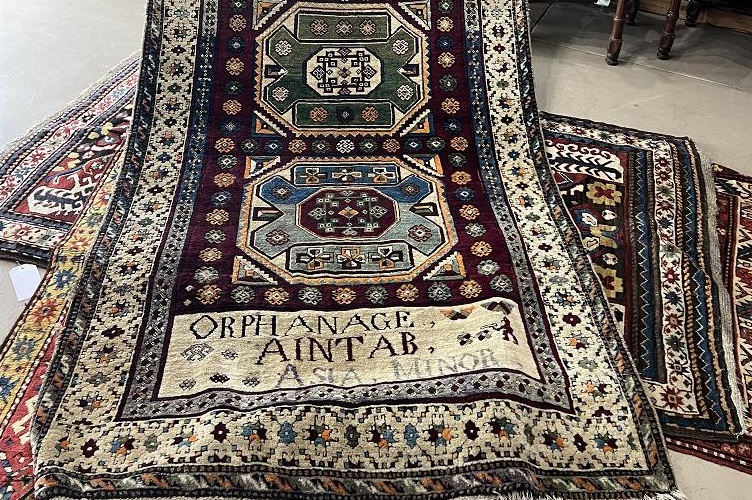
Hratch Kozibeyokian was born into weaving. His father learned carpet weaving from the surviving women weavers of Kaghtagayan in Aleppo. In 1977, Hratch came from Beirut to California, where he continued the profession of carpet restoration with his father. When Hratch began to take carpets from his collection and “read” their stories one by one, I realized how deprived we are of such fundamental knowledge, and how no amount of listening would ever feel enough. He would look at a single carpet and see an entire lifetime.
Aylin Vartanyan
6 Temmuz 2025
Life-Giving Stories, Fermented Memories
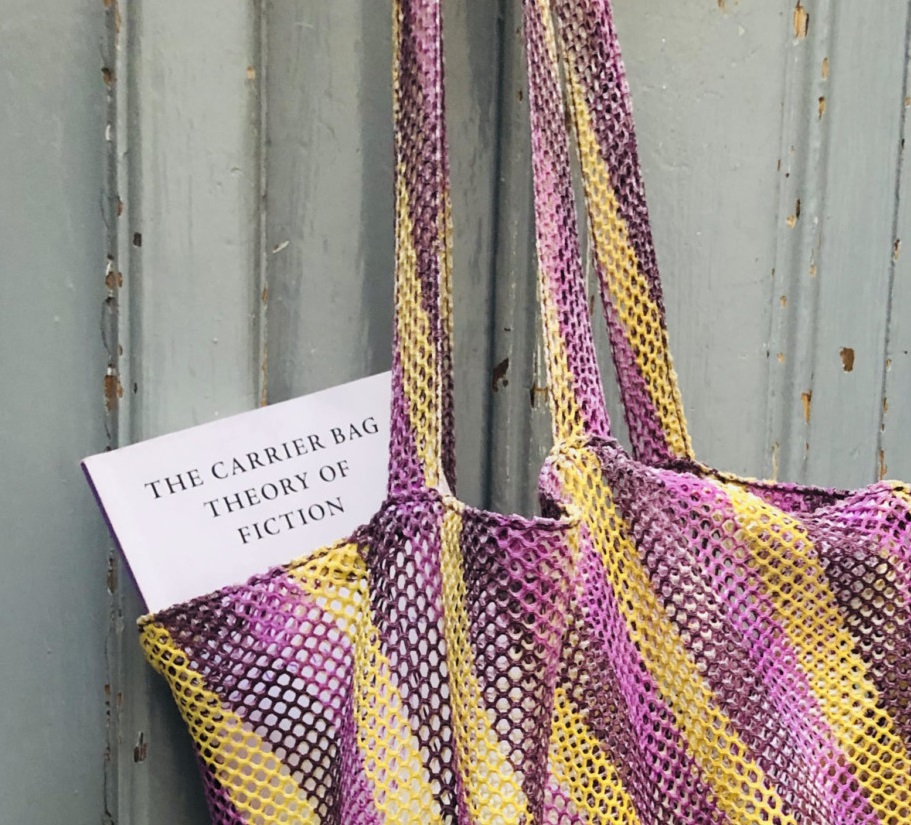
What I remember most vividly about my grandma Koharig is her restlessness and her extraordinary talent for preparing food. She could bring together whatever was available at home and make a delicious meal. She gave meaning to her life by constantly cooking and feeding her loved ones (sometimes forcefully). Maybe that was her way of telling the family stories she couldn't put into words. Ursula K. Le Guin, in her essay The Carrier Bag Theory of Fiction, opened a critical window onto the notion of the hero in literature. Instead of heroic narratives that often devolve into destructive power over time, she proposed carrier narratives. She reminded us that the first cultural tool wasn’t a weapon for killing, but a bag used to carry and preserve. This view, supported by anthropologist Elizabeth Fisher, places survival, nourishment, and transformation at the center of narrative.
Lerna Babikyan
22 Haziran 2025
The Safety of Being Unseen
My paternal grandfather Istepan survived 1915 in Tokat-Erbaa with the help of some young female relatives and neighbours. Disguised in girls’ clothing and with mud smeared on his face, he was saved thanks to the words “Don’t take that one, she’s ugly.” He became the only surviving member of his six-sibling family at the age of seven. My maternal grandfather Sarkis was born into a family of basket weavers and farmers in Sinop-Gerze. He grew up without learning Armenian, underlined with the importance of hiding his identity. When I asked him about his memories, he would at first hesitate, then recall the beauty of his village’s nature, and eventually recount uncomfortable stories.
Susan Arpajian Jolley
6 Haziran 2025
Waiting
Arek Khachikian was born in 1895 in the village of Khachaluys, “the light of the Cross,” in the town of Khnus, present-day Hinis. She was from a respected family and excelled at the village school. As a girl she was betrothed to a young man from a prosperous family. As fate would have it, though, an unfortunate accident left her lame and caused that good family to reconsider the match. Fortunately, a nice boy named Sako, from a poor family, stepped in and consented to marry her. In 1915, the gendarmes killed Sako and beheaded his and Arek’s two little boys.
Dença Değirmenci
25 Mayıs 2025
From Konya Ereğli to Istanbul: My Grandmother’s Story
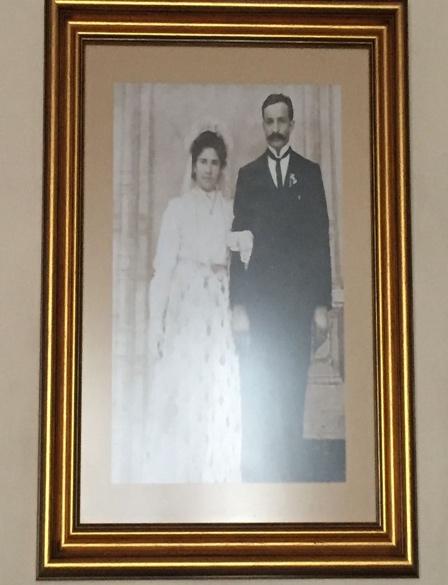
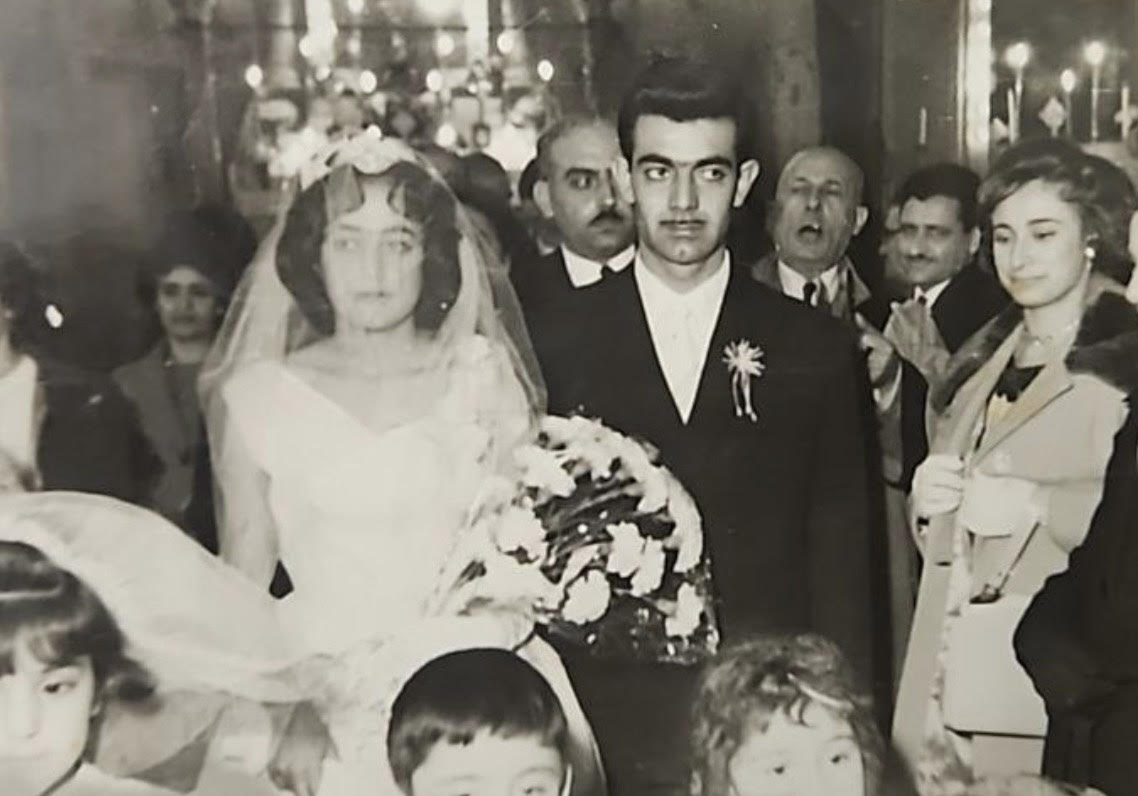
Her story in Ereğli ended when she got married at the age of 17 and moved to Istanbul with my grandfather. At that time, Armenian families would marry off their daughters at a young age to Armenian men to protect them. That’s how my grandmother got married and came to Istanbul for the first time—for her own wedding.
Tamar Gürciyan
11 Mayıs 2025
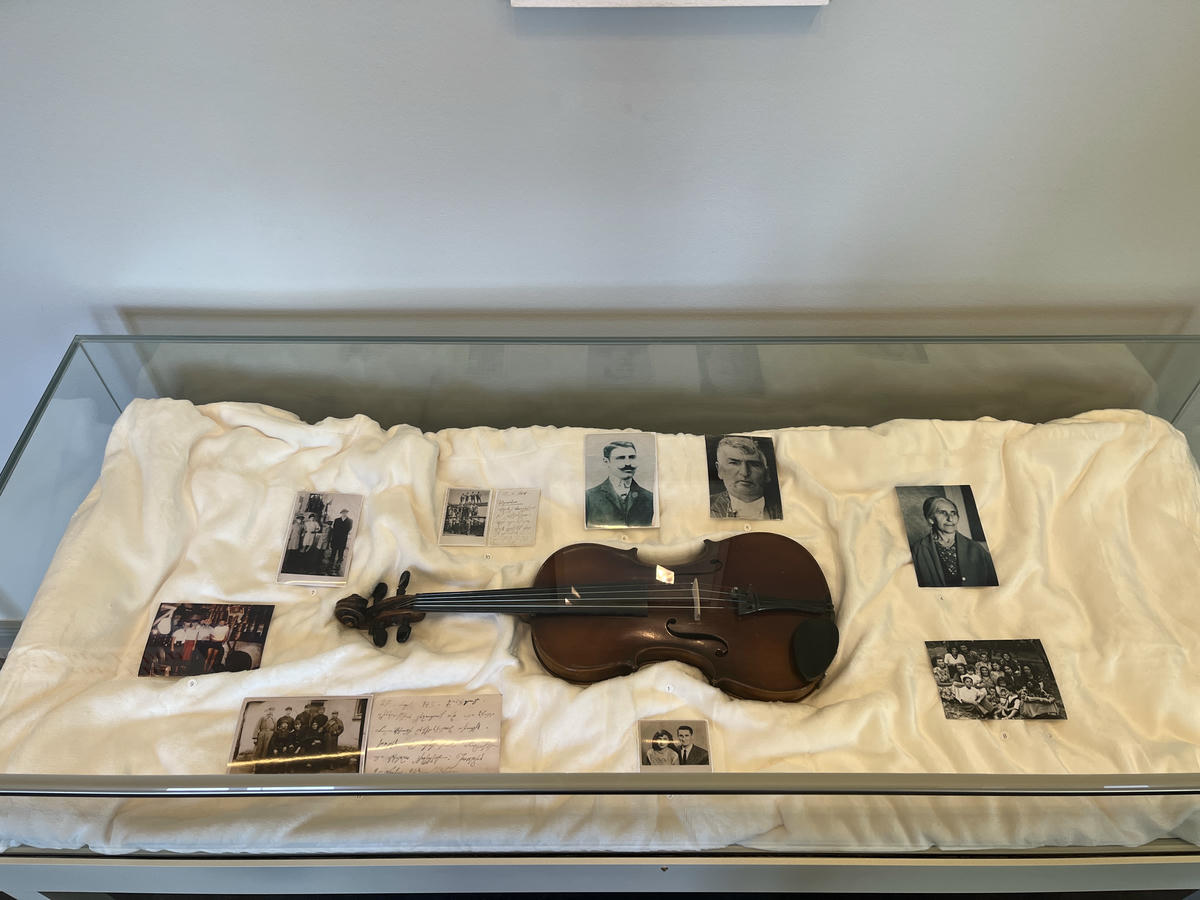
A Violin, A Marriage, and a Century-Long Life
This article was written for the exhibition re-membering: Traces of Armenian Life in the Diaspora, held at the Villa Oppenheim, Charlottenburg-Wilmersdorf Museum in Berlin. The exhibition was organized in collaboration between the Charlottenburg-Wilmersdorf Museum, Akebi, and Houshamadyan. Upon Tamar Sarkissian’s invitation, I contributed a family heirloom violin and photographs to the exhibition curated by Asuman Kırlangıç — and now, we share their story with our readers.
Meri Tek Demir
27 Nisan 2025
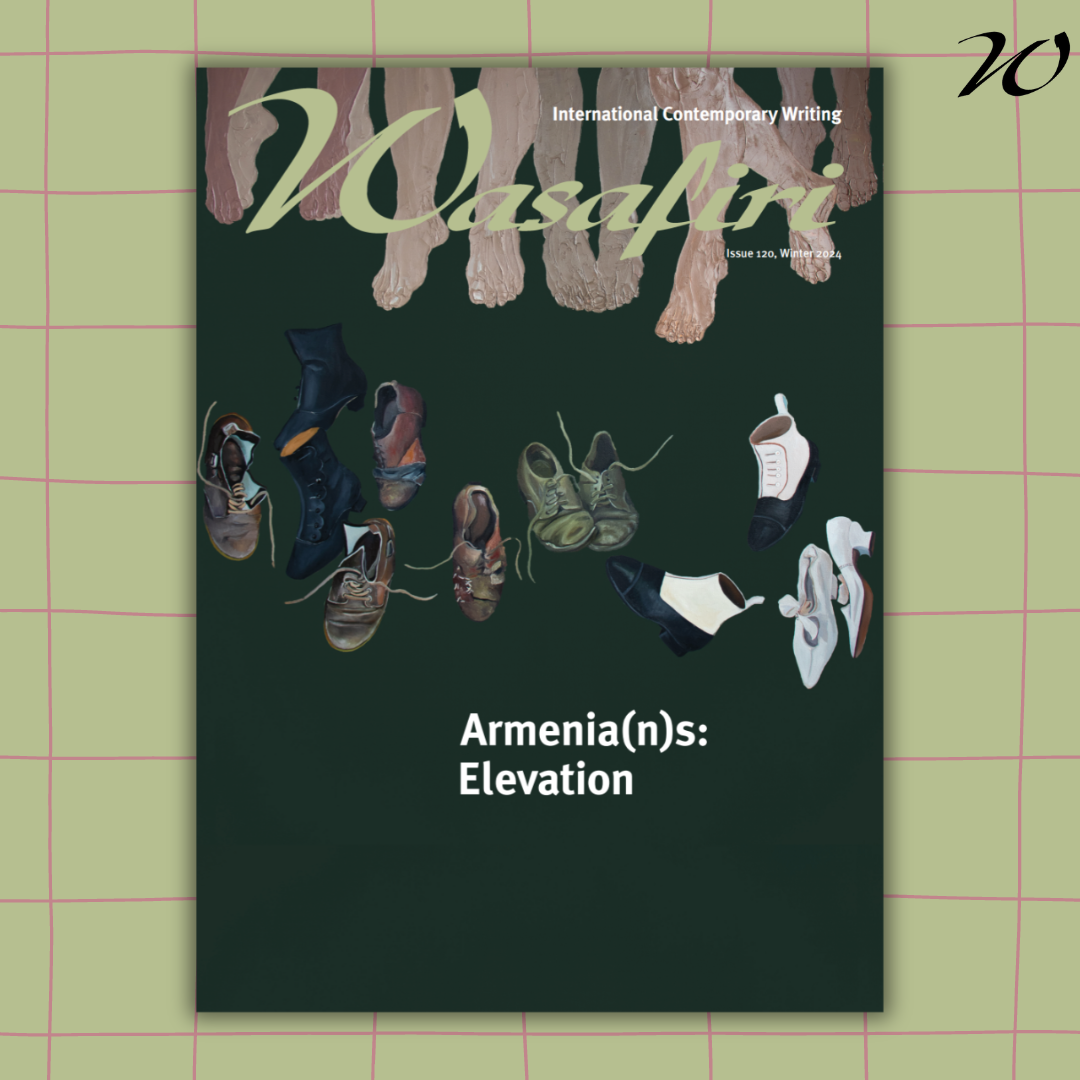
Reflections on Wasafiri’s Armenia(n)s: Elevation Issue II: Realizing We Have a Living Literature
Of course, in modern Armenian literature, it is impossible to overlook the traumas experienced by writers and poets, their sense of displacement, or the traces of their personal histories within their works. And yet, the fact that classical and modern Western Armenian works are still examined primarily through the lens of author biographies, whether in Istanbul or elsewhere, prevents the literature itself from receiving the recognition it deserves. In this way, a deep-rooted and rich literary tradition is reduced, in the Western gaze, to a mere struggle for visibility. What’s more troubling is that this perspective is not only held in the West but is also increasingly internalized within today’s Istanbul Armenian community.
Araz Kojayan
13 Nisan 2025
Reflecting upon Wasafiri's 'Armenia(n)s: Elevation' - Language and Culture
Wasafiri approached this as one of the central themes of its issue. One of the most striking texts was the lead feature titled “Two Armenians Conversing in Two Armenians” by Tamar Marie Boyadjian and Hrach Martirosyan, translated into English by Maral Aktokmakyan. The conversation opens with an editorial note acknowledging the division of the Armenian language into two variants—close enough to be mutually intelligible, yet distant enough to create alienation. In this dialogue, Boyadjian and Martirosyan, each speaking one of the two variants, find common ground in their shared love for the language and its literary heritage.
Talin Suciyan
28 Mart 2025
The Angels of History: Our Grandmothers
The relationship between yayas born outside of Istanbul and the Armenian language was also highly intriguing. Some never learned Armenian, while others, speaking in local dialects, were shamed for it. The mistaken belief that Istanbul Armenian was the ideal and most beautiful version of the language played an active role in the rapid loss of these local dialects. The stories of our friends’ yayas in the diaspora are different from ours. The grandmothers of Armenians who migrated from Cilicia to the Aleppo-Beirut route or those who immigrated to the United States carry narratives distinct from those who remained in Turkey
Talin Suciyan
2 Mart 2025
The Istanbulite Armenian woman as a performative idol
The expected performance of an Istanbulite Armenian woman includes setting up tables during name days, hosting relatives, cooking well, being the one who brings the extended family together, keeping the house constantly clean and organized, and always being well-groomed and stylish. In other words, the Istanbulite Armenian woman must be a type of person beyond perfection!
Subscribe!
You can support Agos by subscribing. Subscribe, gift a subscription, leave a suspended subscription.
Tr
Հայ
Search
Agos' Agenda
Türkiye
Armenia
World
Faces/Stories
Human+Rights
Once Upon a Time
Culture And Arts
Life
Armenian Society
Authors
Illustrators
Hrant Dink
e-Newspaper/Archive
Agents
Book/ԳԻՐՔ
Contact
Subscribe Now
Login