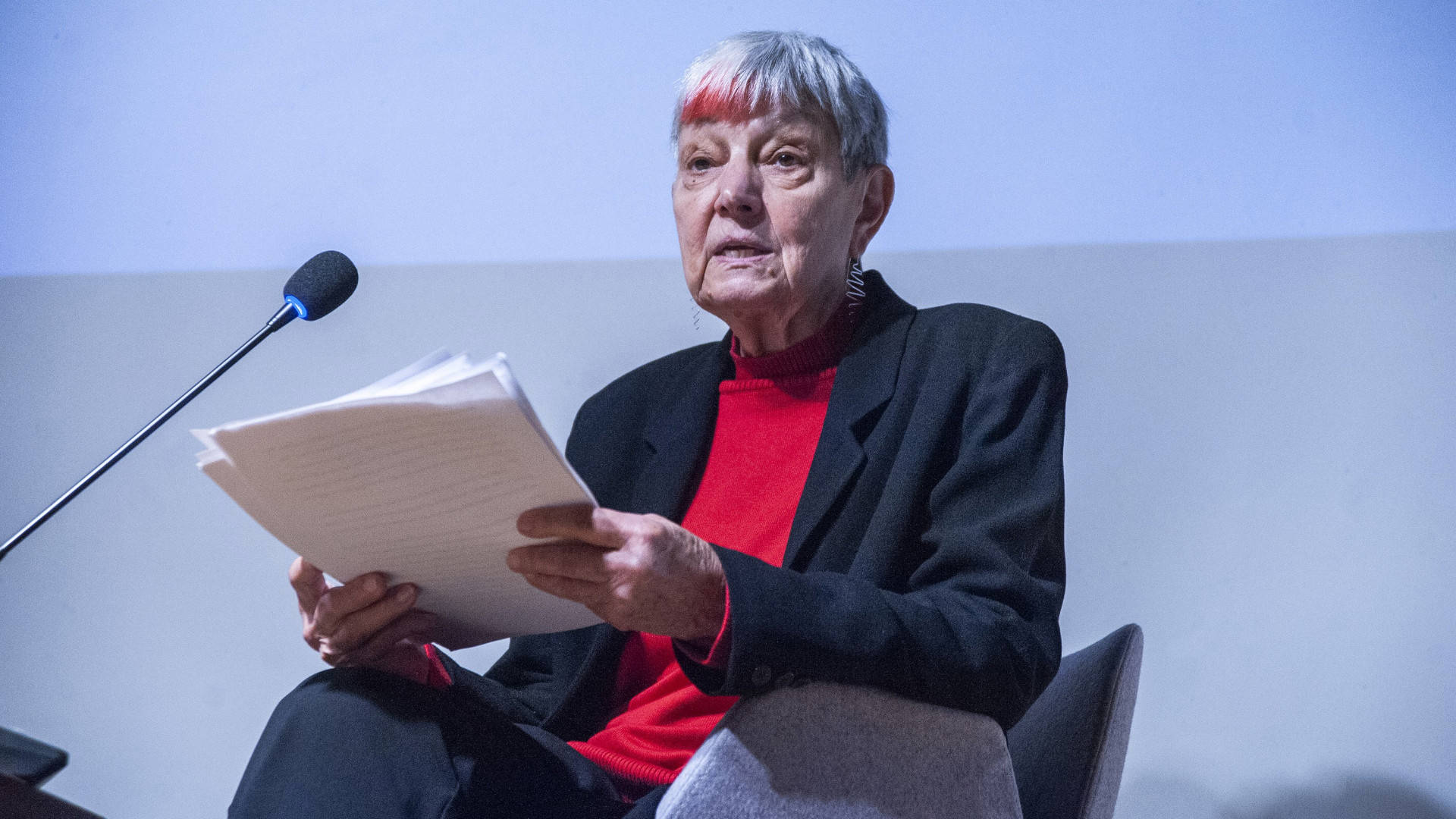


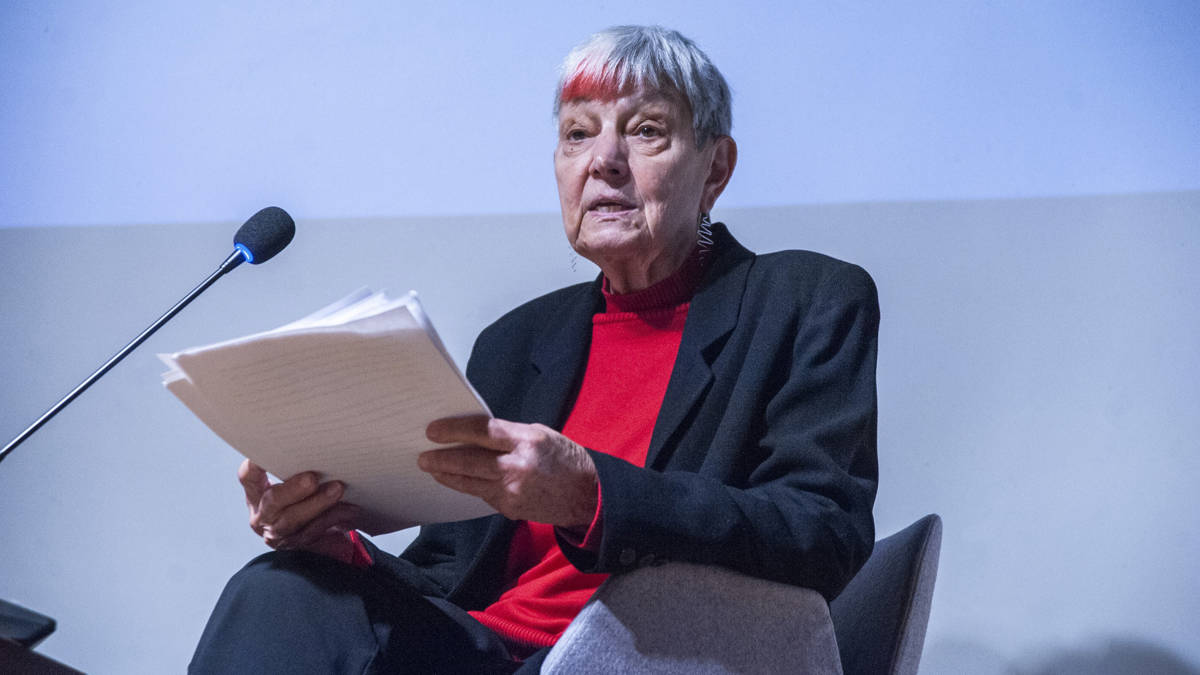
Arlene Voski Avakian was the guest on November 2 in the Hrant Dink Foundation’s conversation series “Ancestral Journeys: Reflections on Land and Belonging”
The granddaughter of a family that survived the Armenian Genocide of 1915, Arlene Voski Avakian is a familiar name to Agos readers thanks to her book “Legacy of the Lion Woman”. In it, she weaves together a deeply rooted story of resistance stretching from Kastamonu to America with a feminist memoir. Her most recent visit to Istanbul was last year, when she met with readers and reunited with members of the Saturday Mothers, whom she had met previously.
This time, Avakian joined an event at the Hrant Dink Foundation, moderated by Aylin Vartanyan Dilaver. In her talk, titled “Embracing My Ancestral Homeland,” she spoke about her relationship with her family history, Armenian identity, and Turkey.
“Genocides are still being denied”
Beginning her talk by thanking those who had made the event possible, Avakian said that being there was deeply moving for her. She also spoke about the publication of the Turkish translation of “Legacy of the Lion Woman”, emphasizing how meaningful it was for her that her grandmother’s words had returned to Turkey through the book.
Avakian explained that the title of her talk was “Embracing Turkey as My Ancestral Homeland” and said that recognizing Turkey’s place in her life and consciousness had not happened all at once. Rather, it was the result of years of emotional and intellectual work exploring the profound, and at times contradictory, effects of being the children and grandchildren of survivors and victims of the Armenian Genocide. She noted that although the Armenian Genocide has begun to receive greater recognition in recent years, it is still denied by those responsible for carrying it out.
“Genocides are often denied even when the evidence is incontrovertible, the facts are plain to see, and international organizations have identified them as genocides. Zionists, too, routinely deny the genocide committed by Israel they support against Palestinians in Gaza, the West Bank, and Lebanon. Everything is happening before our eyes, but some eyes remain closed.”
Family silence and her grandmother’s stories
Avakian described the profound silence surrounding past events in both her mother's Armenian family from Turkey and her father's Iranian-Armenian family. She said that her grandmother, Elmas Tutuian, had told her some of what she experienced in 1915 when Avakian was just entering her teenage years. Her grandmother did not speak about it again for decades.
Avakian explained that this silence within the family was also part of a broader social silence in the 1950s, as well as the pressure to conform that characterized the period. She spoke about how deeply she was influenced by the civil rights movement for Black Americans. The movement, she said, helped her understand the story of genocide she had heard from her grandmother in the context of other injustices. She added that the women's movement had also transformed her life.
Avakian said she came to realize that her grandmother's stories had empowered her as a woman. Her effort to make sense of her family's history and the injustices of the world ultimately led her to write her memoir, “Legacy of the Lion Woman”.
Visits to Turkey
Avakian said that she first came to Turkey in 2009 and, unexpectedly, began returning again and again. She explained that her experiences in Turkey has changed her outlook on the world and her understanding of herself as an Armenian. Her relationships with Turkish friends and the work they undertook together strengthened her belief that it is possible to build meaningful bonds across differences.
Before coming to Turkey, Avakian said, she knew very little about the Ottoman Empire, particularly the causes of the genocide. Nevertheless, she arrived with her academic background and a belief in the possibility of social change. She noted that activism shapes the way we understand the world and emphasized the importance of recognizing one's own privileges and how they influence one's actions.
Encounters with the Saturday Mothers and her grandfather's story
The years Avakian spent in Turkey and the relationships she built there allowed her to look at her own family history from a different perspective. Certain encounters, in particular, hold a special place for her.
She says that for the first time in her life, she was able to mourn the genocide in 2014, while listening to the names of Armenian men who had been arrested and subsequently killed or disappeared in 1915 at an April 24 commemoration held in Taksim Square, Istanbul.
Her paths crossed with the Saturday Mothers in 2016. During a demonstration, when she saw photographs of people who had been forcibly disappeared, she realized that her own grandfather, Hanpatur Tutuian, had also disappeared. When she reunited with Saturday Mothers last year, this time she carried a photograph of her grandfather.
Recalling that moment, Avakian said, “I felt him beside me in a way I had never felt before.” That same day, she also noticed for the first time just how much her mother resembled her grandfather.
The culmination of Avakian's reflections on her connection to Turkey is captured in these words:
“Both what I learned here and what I brought with me have enabled me to embrace Turkey as my ancestral homeland. This realization is quite new for me, but it is the result of a thought that has been taking shape for a long time.”
Journeys to the roots and belonging
Launched by the Hrant Dink Foundation in June 2025, the conversation series explores the connections between past and present through journeys to ancestral lands, experiences of discovery and reunion, and questions of belonging.
The Foundation invites Armenians living abroad who have traveled to their ancestral homelands, or are planning to do so, to share their stories.