

Yerevan is no stranger to the influx of first Russian, and now Iranian digital exiles. In 2022, the city became a primary destination for thousands of Russians fleeing the fallout of war and financial sanctions. However, the contrast between that wave and this new one from Iran is stark. While the Russian wave was largely a corporate process—where giants like Yandex relocated entire departments and banking systems—the Iranian influx is much quieter. It is composed of IT workers, small startups, students, and freelancers who depend on the internet for their daily work.
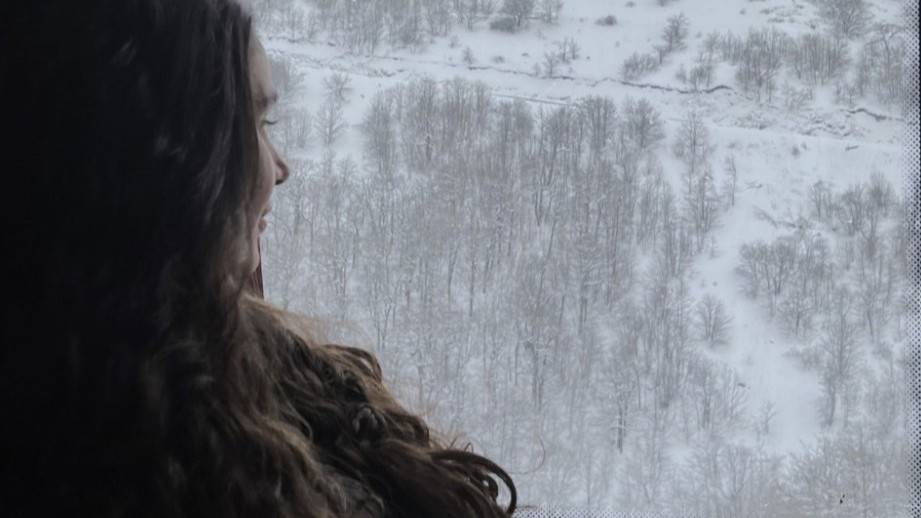
Reyhane, 22, is a young English literature graduate from Tehran. She crossed the Agarak-Norduz border into Armenia just two days before the war broke out between the U.S.-Israel and Iran. For Reyhane, this journey was not an escape from a battlefield, but an escape from a total “digital blackout.”
“My partner is in Austria. We’ve been together for four years, and during the internet shutdowns, we couldn’t even have a simple phone call,” she says. The internet blackouts in Iran cost her more than just personal connections; because there was no internet, she also missed her university application deadlines. Now in Yerevan, she is trying to obtain an Armenian residency permit because it is the only way she can apply for an Austrian visa.
Digital exiles like Reyhane are professionals and students who are not necessarily fleeing physical destruction brought by war, but rather the collapse of their digital lives. They come seeking a safe space to access the internet and a stable IP address to connect with their jobs, studies, and personal lives.
According to the internet freedom monitor NetBlocks, Iran spent nearly a third of 2026 without internet. This situation did more than just slow down the web; it decimated the entire digital economy.
Major e-commerce, marketing, and tourism companies—once the lifeblood of Iran’s tech scene—faced a total collapse in revenue. This was followed by mass layoffs and company shutdowns. Today, the Iranian LinkedIn feed has turned into a sea of “Open to Work” banners posted by professionals who connect through various VPNs just to let the world know they are still looking for a way out.
Across the border in Armenia, the digital world reopens. Here, Iranians reconnect with their new livelihoods and their futures.
Safety for some, survival for others
Yerevan is no stranger to the sudden influx of first Russian, and now Iranian digital exiles. In 2022, the city became a primary destination for thousands of Russians fleeing the effects of war and financial sanctions. However, the contrast with this new wave from Iran is striking. While the Russian wave was largely a corporate process involving giants like Yandex relocating entire departments and banking systems, the Iranian influx is progressing more quietly. This group is composed of IT workers, small startups, students, and freelancers who depend on the global web for their daily needs.
Arian, 34, moved to Yerevan in September and works as a product manager for a German IT company. Following the 12-day war in June between Iran and Israel, his company relocated its entire office to Armenia.
“The main reason was the internet,” Arian explains. “Our German sponsors and clients could no longer tolerate the constantly dropping connections. We were given a short notice: either we move or we shut down.” Ten employees from the Tehran office, along with their families, have settled in Yerevan.
While Russian immigrants benefit from Eurasian Economic Union (EAEU) protections that provide them with automatic work rights and a legal residency certificate for just $80, Iranians meet much more difficult conditions. For Iranians, legal residency requires a temporary residence permit costing $400. This implies a job and an entry fee five times higher than what Russians pay.
On the other hand, the lack of any demand for legislative reform from the Iranian business community causes the economic potential of this young workforce to be squandered in perpetual cycles of visa renewals. Without a clear path for integration, these employees risk drifting into the informal labor market. This situation not only undercuts local wages but also deprives Armenia of the strategic growth these digital exiles could provide.
Armenia’s recent moves regarding digital contracts and work quotas are positive steps toward formalizing this labor force; however, the barriers remain high for the growing class of Iranian freelancers. The government could ensure that tax incentives and residency criteria are accessible not only to corporate giants or those with privileged passports, but also to the independent strategists and content creators trying to build a life in Yerevan.
Integration vs. Transit
For many Iranians, Yerevan is a “waiting room”—a space where they can maintain their Western-facing careers until they obtain a European visa. For others, the cultural proximity of Armenia to Iran offers the potential for a permanent life.
For Niloufar, a digital designer, and her husband, a cryptocurrency trader, Armenia represents simply the “capacity to work.” Niloufar says that since moving, she has finally been able to reach the volume of work needed to sustain their new life.
But not everyone comes for the digital economy. For some parents, their children’s access to the digital world is a deciding factor. Seventeen-year-old Nima, who recently received the national “Youth Programmer” award, depends on the internet not just for communication, but for his education and work. For 12-year-old Pouya, the internet is an essential tool for studying, playing, and doing schoolwork without distractions or the constant worry of war.
Leaving Iran remains a privilege. Military service obligations, exit fees, and travel costs have trapped many talented professionals. Those who reach the border gate are the lucky few who can bypass these restrictions.
Whether Armenia can transform this regional brain drain into a “brain gain” in its own favor depends on the steps it takes. Will the country offer a permanent life, or will it just be a temporary desk for those with one eye on the door?
Summarized from the report by Melika Safaei for CivilNet.


