
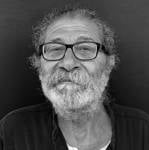

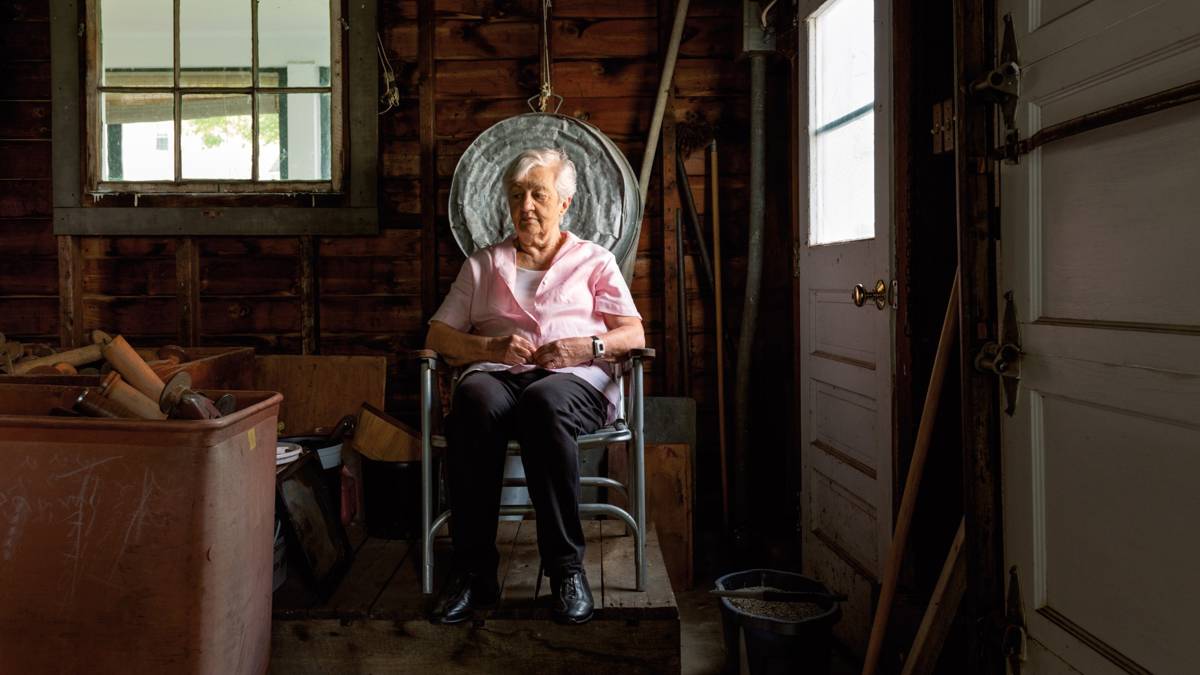
Gregory Jundanian (Boston, MA) is a photographer and founder of the community digital archival site, the “Armenians of Whitinsville”. He studied history at the College of the Holy Cross and graduated from the University of Hartford with an MFA in Photography. He currently lives in Montreal.
Jundanian’s primary focus is on communities, why and how they come together and their visual language. He is a collector of communal memories and stories. His two projects, “Once There Was and Was Not” and “In Their Footsteps, an Identity Fractured by Genocide”, focus on how genocide has shaped the identity of Armenians today. Photographs from “Once There Was and Was Not” were included in the 2024 British Journal of Photography Portrait of Humanity publication.
The “Armenians of Whitinsville” archival project, of which he is one of the founders, is a collective effort to preserve and pass on the memories of diaspora communities to future generations.
We met in June 2026, when he was in Istanbul on his way to Arapgir, his family’s ancestral homeland. He shared his reflections on memory, identity, and belonging.
So, Mr. Jundanian, what brings you to Istanbul?
I returned to Turkey to meet relatives that I did not know that I had, and to explore the area of Arabgir, my maternal ancestral homeland. I came to Turkey last year for the first time on a tour organized by NAASR, an Armenian research organization in Boston. We covered 3,000 kilometers with three tour buses over two weeks. We saw quite a large part of eastern provinces, but what really stayed with me from that trip was how absolute the destruction was of our culture in Anatolia. The places we visited were haunting. It was somewhat like visiting a home where somebody you know was murdered.
Before I left to go on the tour, my cousin, Paula Aghajanian, gave me a photograph from over a hundred years ago, of this man, Mustafa Çıplak, who had saved her father from the marches. She asked me if I could find his family. The story is that as the women and children were being marched out of Arapbgir, Mustafa Çıplak came and interceded and saved Ginape Aghajanian and 13 of her extended family, one of which was Ginape’s nephew, my uncle Nishan. My great grandfather and Ginape were also first cousins.
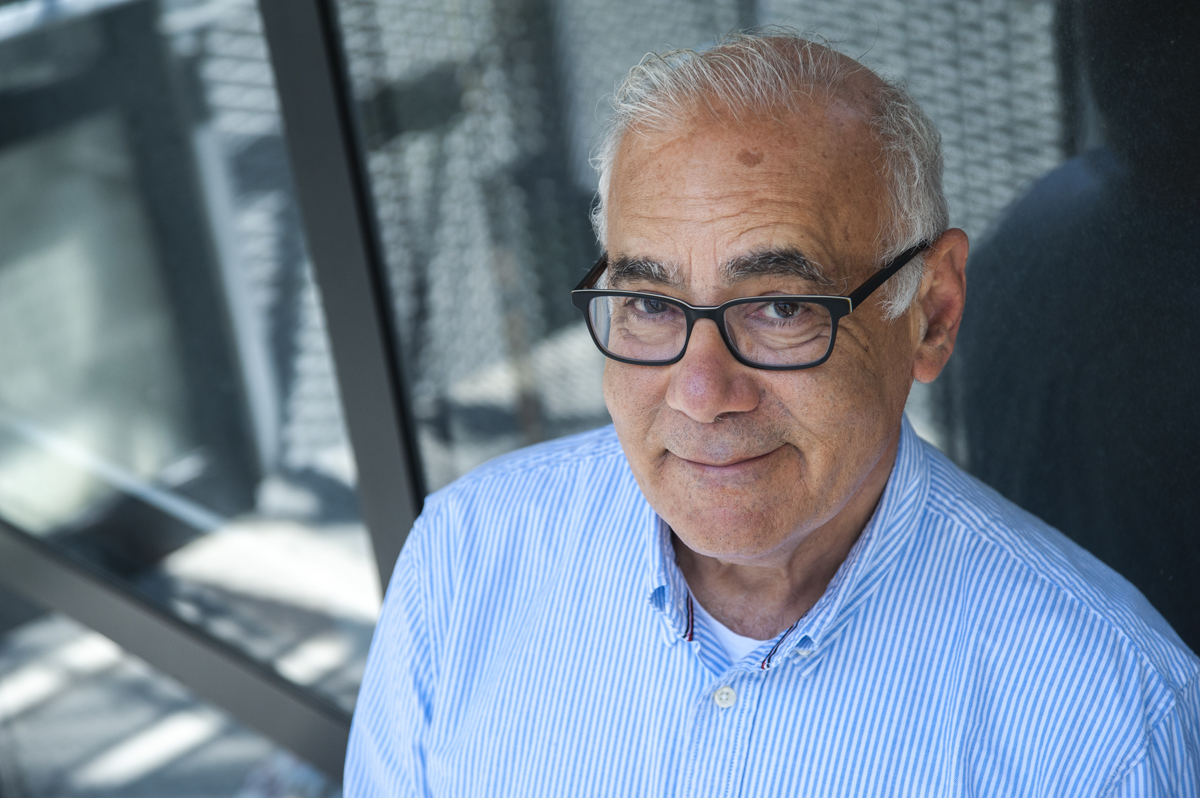
While the actual story is more complicated, the simple back story is that Mustafa had been good friends with her husband, Kirkor Arsiniyan. After Kirkor and all of Ginepe's brothers were killed, the woman and children were being deported from Arabkir. This is when Mustafa stepped in to save Ginopae, her children and her extended Aghajanian family. A year later, Mustafa married Ginopae, and they then also had children.
With help from a local scholar, Vural Genç, I was able to find the family. Mustafa had been the head of a Kurdish clan in the Arapgir area so the name was well known. With Vural’s help I found three of Mustafa and Ginopae’s descendents on my first trip. I met more of my relatives on this trip and was received with enormous hospitality and love.
I came because many Armenian families that I know, including mine, had relatives that were absorbed into Kurdish or Turkish families and just disappeared. Some were forcibly taken and others were given up as small children to neighboring families as the mothers knew that their children would not survive the deportation. So, to me, it's an unresolved part of our history, knowing that these people are out there, that your family is still out there, but you don't know who or where they are.
That's why I was interested in spending a little extra time in Turkey and meeting and finding this particular family. They're distant relations, but it's more of a metaphor for finding people that have been missing and sort of tying the knot back together. And I've always kind of wondered what would have happened if my grandfather or grandmother had been taken into a village family in 1915. What would my life have been like?
You just came back from Arapgir. This is the second time you went there, right?
Yes. I had met three people while there last year. Through these people, I met some other people over Zoom. I researched all the descendants of those people who had been saved and those of the marriages in Turkey. I found many of them, but there's still some missing pieces. My goal was to try to put some of the missing pieces back together, solve this puzzle, and create this history for myself.
I think what's a driving force for me is that, growing up, we really had no history leads, aside from our grandparents. Our grandparents were like Adam and Eve. Before that, there was nothing. So, I wanted to try to figure this out. I've always been interested in this. And since I've been retired, I've spent a lot more time on these issues.
How was it to grow up as a child in that particular Armenian community in Whitinsville? How much of the story of your elders was transferred to you?
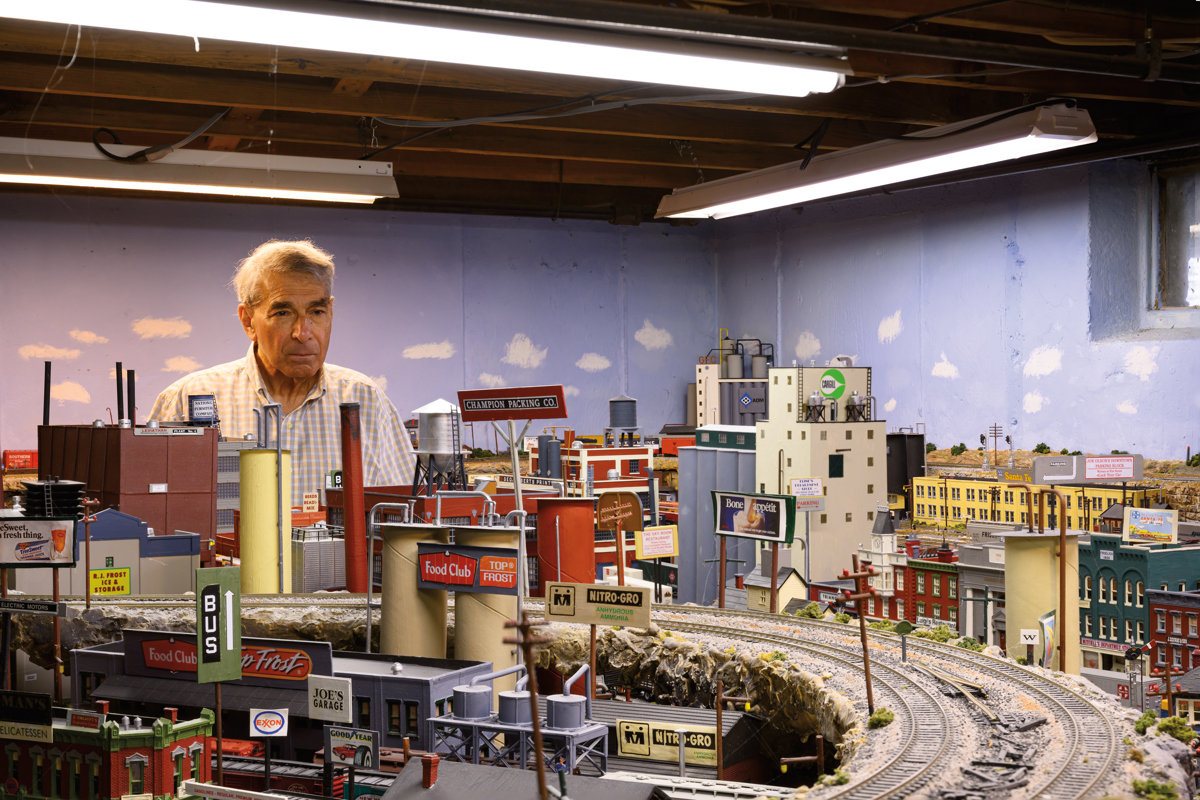
Not a lot. I consider myself second generation. First generation would be my parents.
They were born here and their parents were born in Turkey. When I was 8 or 10 years old, my father said, “Look, here's all these books on the Armenian massacres. Why don't you read these and let me know if you have any questions”. That was his explanation. Nothing else. My mother did not tell me anything either. Neither did my grandparents. I know very little from my elders.
I know that you have set up a memory kind of digital museum for the Armenians in your community in Whitinsville. Can you tell us a bit about it?
I was raised in an Armenian community in a small town in New England. It always felt odd culturally. I recently started thinking about how my identity has been influenced by my sense of community. At one point I travelled to Artsakh, and started doing a project there in 2019 called ‘In Their Footsteps’ to think about Armenian identity. Then COVID and war broke out so I could not continue there. I decided to come home to Whitinsville and try to do the same thing. It is what I should have done from the beginning. After a lot of soul searching, I was talking to a couple of friends and we decided to do the Armenians of Whtinsville Project, a digital houshamadyan or memory book. We built the website so the people who didn't have a story or had a partial story, whatever it was, could draw a line in the sand and not be erased and put their story in.
There are a lot of stories that aren't up and it's not always easy to get people to actually do it. But I think it's a healing process. I found that for myself and for others, they felt a relief when they put their story up. So, it's a big collection of stories written or audio-recorded. It's mostly writing. We have maybe about 15 recordings.
The main idea is that a person writes their history out. They have five categories that they can then use to tell their story. One is family photographs. Another is documents, like passports, newspaper articles, whatever they happen to be. Another is recipe cards, which everybody loves. Another would be photographs of memory objects that hold a special place. And then the last one is recordings, oral histories for the most part. There's probably 35-40 families up on the website. Other families are still in process. We hope to give the asset, the collection to a museum as a living history at some point.
Aside from the Armenians of Whitinsville project, you also have something to do with the descendants of the survivors of 1915, older people whose portraits I have seen on your website.
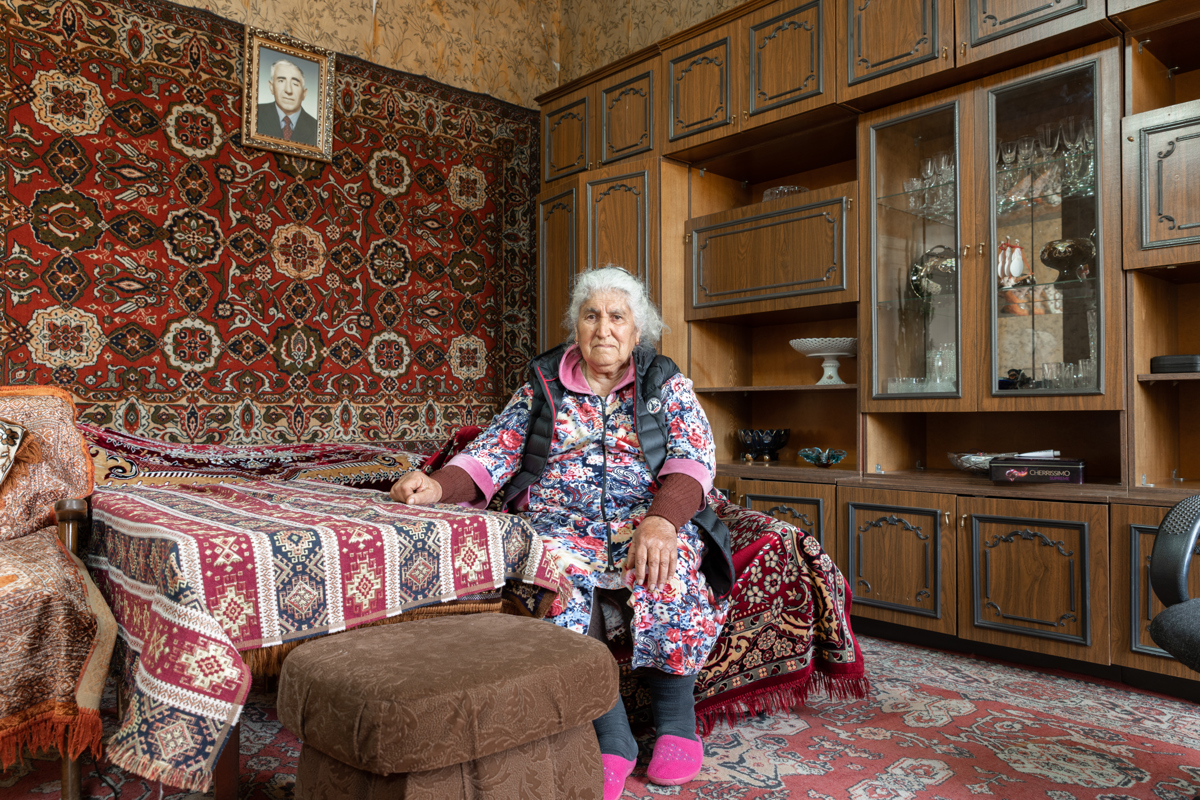
That's the project about looking at identity from where I grew up. These are the people I grew up with. It’s called it ‘Once There Was and Was Not’. I hope to be publishing the work next year. I'm trying to portray a bunch of different things. One most important thing is sort of this emptiness or this loss that sits inside many of us, but then I also wanted to give a sense for what it was like to grow up in a factory town that has changed since the factory moved out.
Okay. And why do you call it ‘There Was and There Was Not’? I just always liked that title. It's like telling a fairy tale.
Yes, I know. It certainly wasn’t a fairy tale. Most people who are not Armenian don't understand the context of it. For me it is more about the duality of being Armenian, of living in two different worlds at once, one world real and the other world not so much. It’s something that many people form immigrant families feel acutely.
I'm sure when you do a story like Once There Was and There Was Not, you are dealing with the aspect of memory, right? Can you explain a little bit about what's your perception of memory as an Armenian?
I think my history, as well as many Armenian people's history, is fragmented. It's all in pieces. And my goal for myself is to try to tie those fragments together to help me understand my own identity.
The Armenians of Whitinsville project is a collection of fragments that somehow tries to, in a collaborative manner, tell a community history. That's the nature of Armenian personal histories. You don't know much and you have to draw conclusions from what little you do know.
Okay, and what about emotional inheritance from your elders? There is something inside me which I feel is genetic. I inherited it from my blood line. As if, I was born within their story, even if I know very little about their past. I have inherited their sadness which has never left me. Why is that?
I feel strongly that way. I feel that we're all born enlightened, and then we inherit the memories of our parents and grandparents. I think it’s fate that one is born into these memories that await you even before birth. The overall thing shaping a person’s identity, despite their intelligence or the lack of it, is their parents' past. Their community's past. It's hard to get away from it, and it is important to embrace it.
How much of this is helping you with healing? With your personal journey? I mean, do you feel that now you have healed yourself?
I do. I feel some resolution that I didn't feel before. I understand that I'll never know the actual history. I understand that I'll never really know where or how my ancestors lived in Arapgir. For some reason, I feel at peace now that I've done it. Now that I've tracked this down as far as I have. I've met some incredible people. I've listened to stories. I would like to continue to do the work.


