


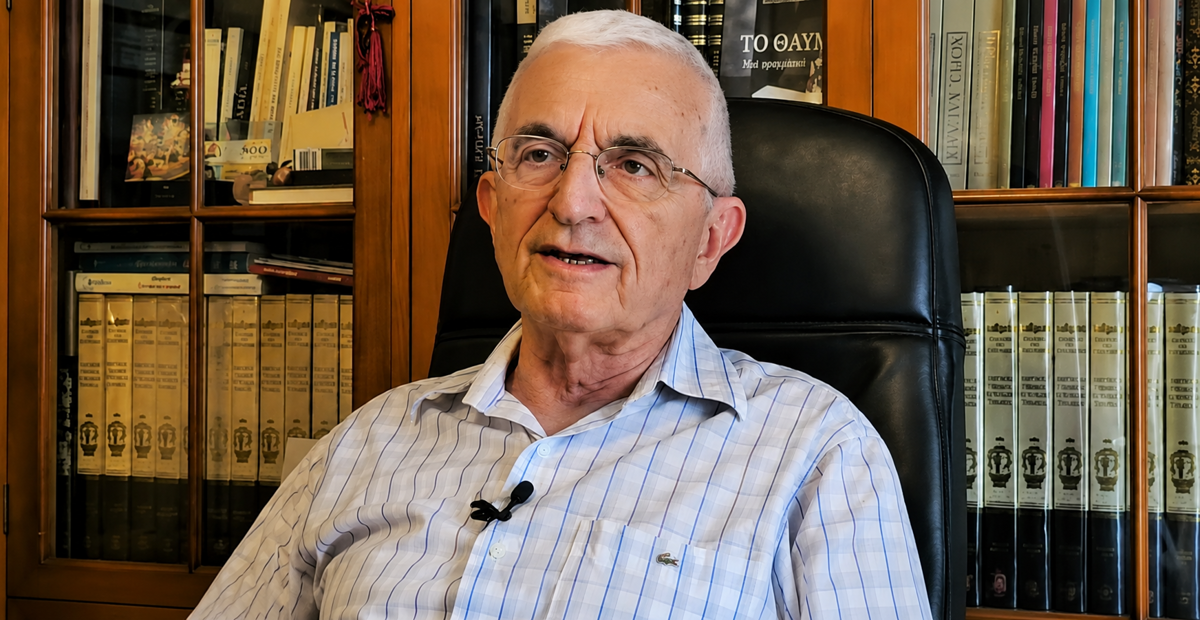
Leonidas Koumakis was born in Pera in 1949. Istanbul was his childhood, his home, his homeland. Leonidas’ life changed completely in the autumn of 1964, when he was a student at the Zografyon Greek High School. His father was to be deported. The decision was final and ruthless. Within a few weeks, 12,000 Greeks of Greek nationality residing in Istanbul were forced to leave the country.
The deportations deeply affected not only those holding Greek passports but also their families who were citizens of the Republic of Turkey. In order to keep families from being separated, tens of thousands of Greek citizens of Turkey also left, torn from their roots. Like Leonidas, they were forced to leave everything behind.
Leaving Istanbul was not the first upheaval in Koumakis’ life. For the Greeks of his generation, the year 1955 carries the silent weight of memory. The destruction that began on September 6–7, 1955, took another form nine years later with the deportations of 1964.
Koumakis therefore made a promise to himself to write about everything that had happened. But it took time for him to fulfill that promise. In the spring of 1991, he lost his father. His father had lived until his final breath longing to return to his beloved homeland, Istanbul.
His father’s death set off an alarm bell in Leonidas’ mind and soul. He knew that the time had come to put the past on record. He began putting into writing all the testimony, memories, and documents he had accumulated over the years. When he completed his work, he felt that the heavy burden he had carried for so long had finally been lifted.
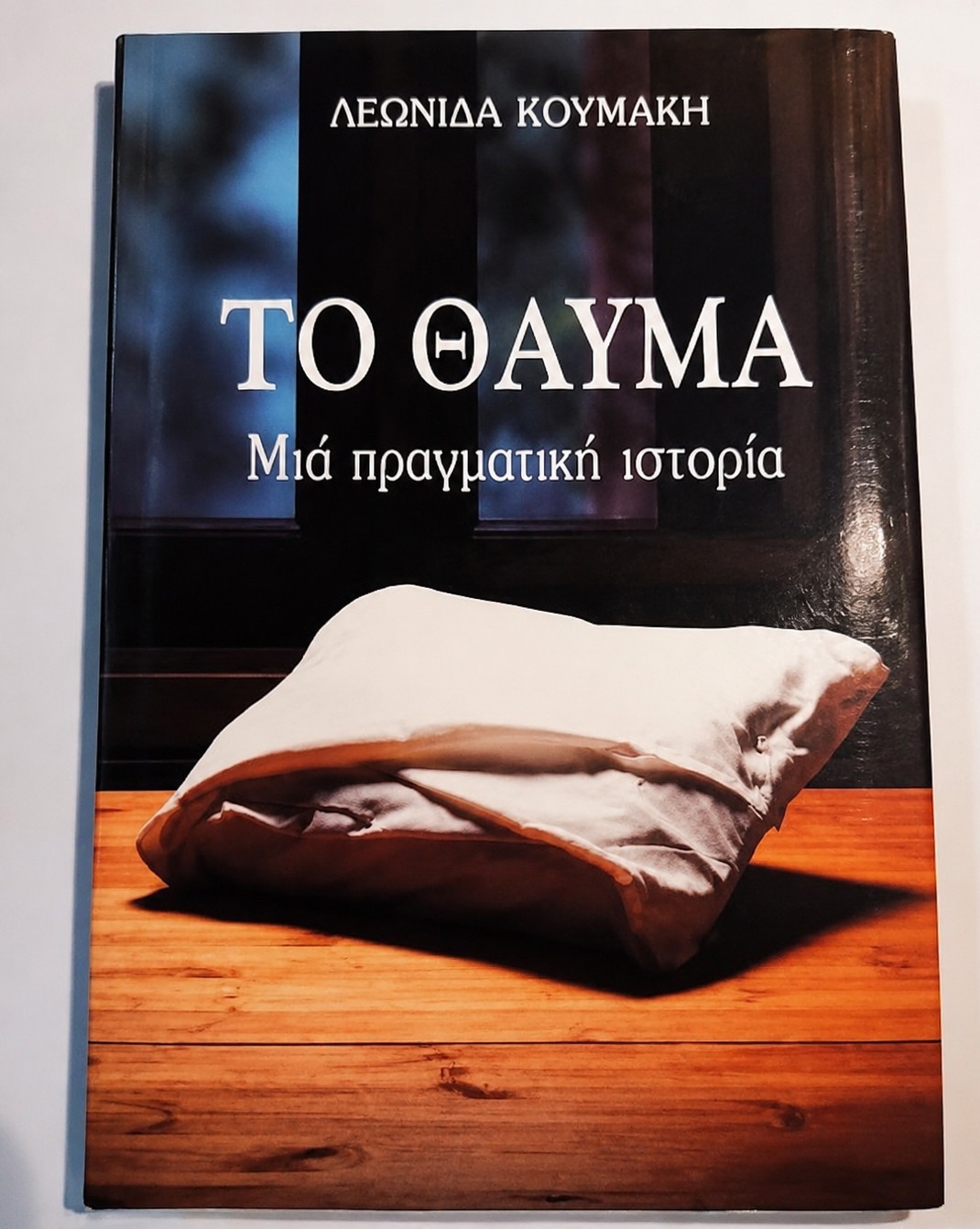
The resulting book was published under the title Miracle – A True Story.
What happened on September 6–7?
At the time, a tripartite Greece–Turkey–United Kingdom conference, which had begun on August 29 and whose principal agenda item was the Cyprus issue, was still underway. The conference had created an extremely hostile atmosphere toward the Greek community living in Turkey. Istanbul’s Greeks were being falsely accused of sending money to Greek Cypriots.
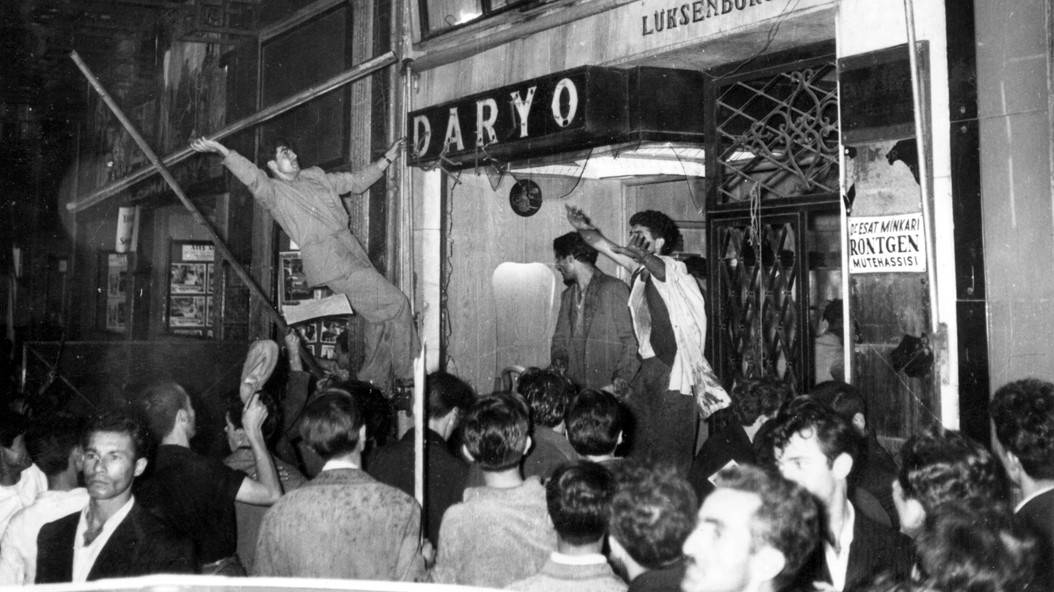
The pogrom was set in motion on September 6 when newspapers distributed in Istanbul and İzmir in specially printed editions began circulating the report that a bomb had been detonated at Atatürk’s birthplace in Thessaloniki. In reality, there had been a small explosion, and the house had not suffered serious damage. The incident, however, was presented as a much larger attack through manipulated photographs published in the press.
Within a short time, a large crowd had gathered around Taksim Square. Groups mobilized with the influence of organizations such as the Cyprus is Turkish Association began targeting Greek-owned homes, businesses, and places of worship throughout Istanbul.
Let us return to that day of shame through the testimonies I translated into Turkish from Leonidas Koumakis’ book.
“The five major streets leading into Taksim Square were suddenly filled with an angry mob armed with axes, shovels, clubs, hatchets, hammers, and iron crowbars. The crowd was shouting, ‘Death to the infidels!’ and ‘Destroy them, smash them, they are infidels!’
It was said that the police and state security forces had supposedly been caught unprepared. They had received no instructions to calm the situation or maintain order. The authorities watched what was happening with indifference.
“Nothing was to be left standing”
When a mob of approximately 50,000 shouting and pouring into the squares, the next stage of the plan began: destruction of all property belonging to Greeks in Istanbul, the desecration and humiliation of everything sacred to the Greek community, and widespread looting. The instructions were clear: nothing was to be left standing.
What followed was absolute hell that lasted for hours.
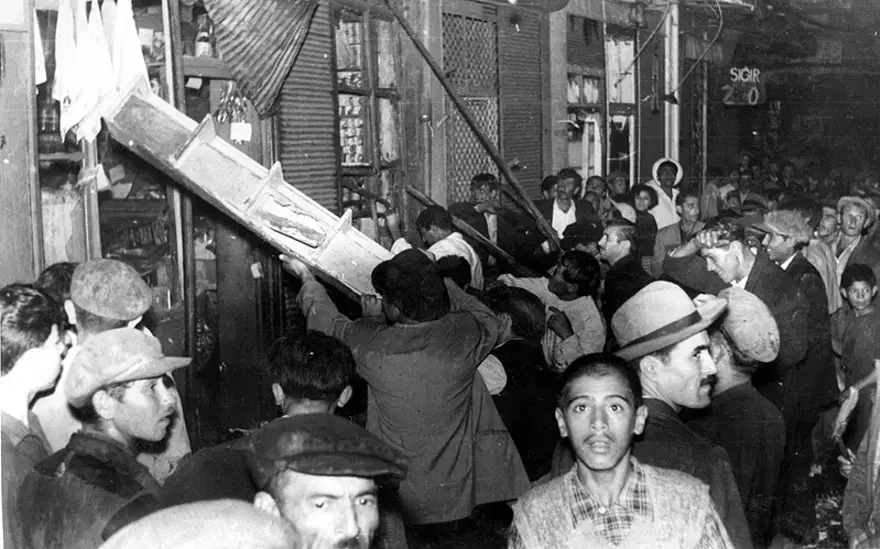
Part of the crowd headed toward İstiklal Avenue, the famous Pera district, one of Istanbul’s best-known centers of commerce and entertainment. Along this roughly one kilometer stretch stood around 700 shops, most of them owned by Greeks.
The first place attacked was the ‘Eptalofos’ café in Taksim Square. The crowd stormed into the café like a herd of crazed bulls and destroyed everything: windows, tables, chairs, counters, glasses, cups…
They then entered a fabric shop owned by a Greek tradesman. Four attackers had torn up sections of the tram tracks. Using a piece of rail, they smashed the shop’s door and display windows. Within minutes, the business had been reduced to a bombed-out ruin.
Fabrics and shelving were scattered into the street; in the middle of the road, a sewing machine was smashed to pieces before the eyes of the barbarically shouting crowd.
The next target was an electrical shop, whose belongings were hurled into the street in the face of the crowd’s terrifying fury.
A little farther along stood a grocery store run by two elderly Greeks. With extraordinary courage, the old man stood in front of his shop and addressed the crowd:
‘Get out of here! We have lived on this land for six generations; you cannot touch us.’
Those were the last words he spoke.
The vandals fell upon the old man. Within minutes, the shop had been smashed to pieces, and the Greek grocer had become the first victim of that nightmarish night. His wife survived by curling up in a corner, but she died shortly afterward from the shock she had suffered that night.
Destruction and looting
The mob continued systematically looting shops owned by Greeks throughout Pera.
The legendary ‘Kervan’ pastry shop belonging to Dimitris Pilavidis, Lenas and Kiriçis’ ‘Baylan,’ and Yannis Çoulis’s ‘Şehir’ pastry shop were all attacked. Large luxury clothing and shoe stores were also looted.
The looters carried clothes and shoes out of these stores. They selected silk shirts, suits, and new shoes, put them on right there at the scene, and then continued with the destruction and looting.
When they entered the famous Frangoulis jewelry store, it was almost like a real civil war: a struggle broke out over who would seize the most valuable jewelry. Gold and jewels worth a fortune were swallowed up within minutes by demonstrators fighting among themselves.
When the crowd reached the Church of Ayia Triada, there was a moment of hesitation. That ‘hesitation’ ended with cries of ‘Damn the faithless!’ and they entered the church.
Inside the sanctuary, everything that could be carried was either smashed to pieces or ruthlessly trampled. Icons, sacred objects, and the vestments of the clergy became targets of the enraged crowd. The church pews and the spiritual leader’s throne were destroyed.
Then another group carried kerosene into the church with the intention of setting it on fire. Fortunately, Ayia Triada Church was not burned. Why they failed to set the church ablaze would remain a mystery forever.
Within a few hours, Pera had become unrecognizable. The avenue was covered by a strange layer made up of everything that had been destroyed or thrown aside: machines, furs, watches, shoes, oils, cheeses, fabrics, porcelain, clothing, and all kinds of foodstuffs.
All this wealth, crushed beneath the feet of the constantly moving vandals, gradually became a muddy, oily, sticky mound of wreckage rising in the middle of the street.”
How could we have known?
In his book, Leonidas Koumakis includes numerous accounts, including his father’s testimony. Another eyewitness recounts what happened to his father that night:
“My father had noticed that shops and homes belonging to Christians were suddenly being marked with strange symbols or Turkish letters. Homes and shops belonging to Turks, meanwhile, were adorned with flags, as though whispering a secret message he could not yet understand.
Moreover, over the previous few days, strange crowds had begun appearing in central Istanbul. They had been brought in from Anatolia; their clothes were torn, they were disheveled, and they had an ominous appearance.
How could my father have known that within a few hours these people would assume the role of ‘citizens driven into a frenzy,’ desecrate everything sacred, loot, rape, and destroy everything?
Although he thought long and hard about all the signs he had witnessed, he ultimately failed to recognize the danger that was approaching. Now, as he heard the crowd shouting, ‘Death to the infidels!’ and ‘Destroy them, smash them, they are infidels!’, he was consumed with anguish.
He hurriedly switched off the lights in the shop and ran outside. At that very moment, five men who had broken away from the main mob descended upon him like shadows.
One of them roared, ‘Hey, infidel, why isn't there a Turkish flag in your shop?’
That question was, in fact, the signal for his execution. All five of them attacked him at once, kicking and punching him.
Just then, the piercing siren of an ambulance rapidly making its way through the narrow street could be heard. The attempted lynching in the middle of the road stopped for a moment to let the ambulance through.
My father realized at that instant that this was the only and final chance he had to save his life. Bleeding and dazed from the blows he had received, he ran without even looking back, using the last scraps of strength left in his body.
By the time the ambulance had passed, he had already disappeared into the darkness. The shop became the new target of the frenzied attackers.
Our shop was looted until not a single intact thing remained.
Normally, it was a twenty-minute walk to his home. Because of the injuries he had suffered, it took him a full two hours to get there. When that man finally stepped through the door, he was completely broken, physically and spiritually, reduced almost to a wreck himself.”
Confrontation
The testimonies, documents, and research available to us today clearly reveal the role played by the deep-state apparatus and the security bureaucracy in organizing the September 6–7 attacks. For this reason, September 6–7 should be described not merely as a dark night in society’s history, but as a pogrom in which different elements of the state were directly involved.
Yet a country’s reckoning with its past is not simply a matter of identifying those responsible. To confront the past means understanding what the victims experienced, mourning the losses, and openly acknowledging the injustices committed in the past.
For this reason, September 6–7 should have a place on our calendars not merely as a date, but as a day of mourning and shame.
It should not be difficult to remember the Greeks, Armenians, Jews, and all the victims affected by the attacks who belonged to these lands; to mourn those we lost; and to strive to ensure that no community is ever again targeted because of its faith, language, identity, or origin.
Confronting the past does not mean remaining trapped in it.
The past is connected to the present—and, even more importantly, to the future.


