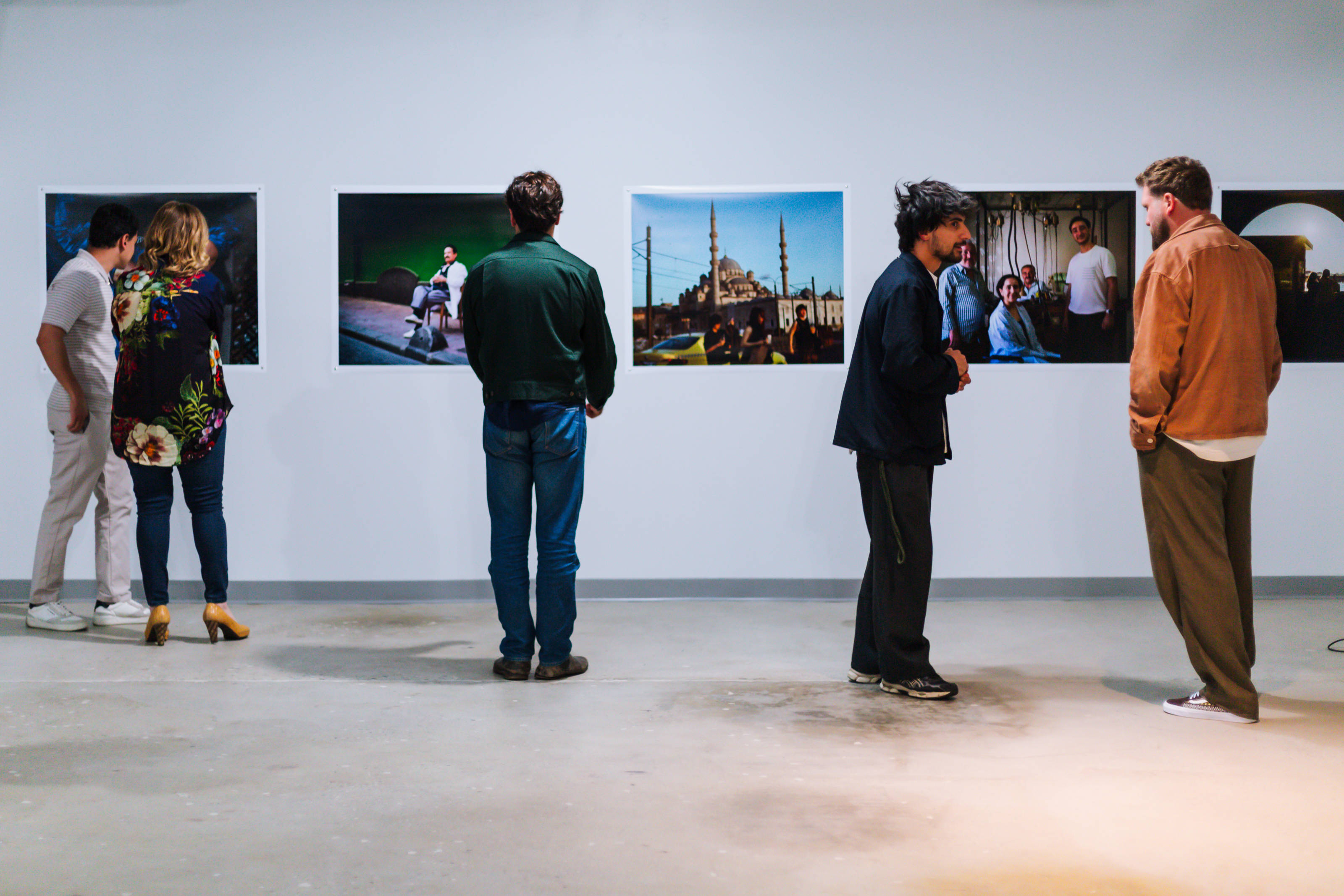
We Are Here


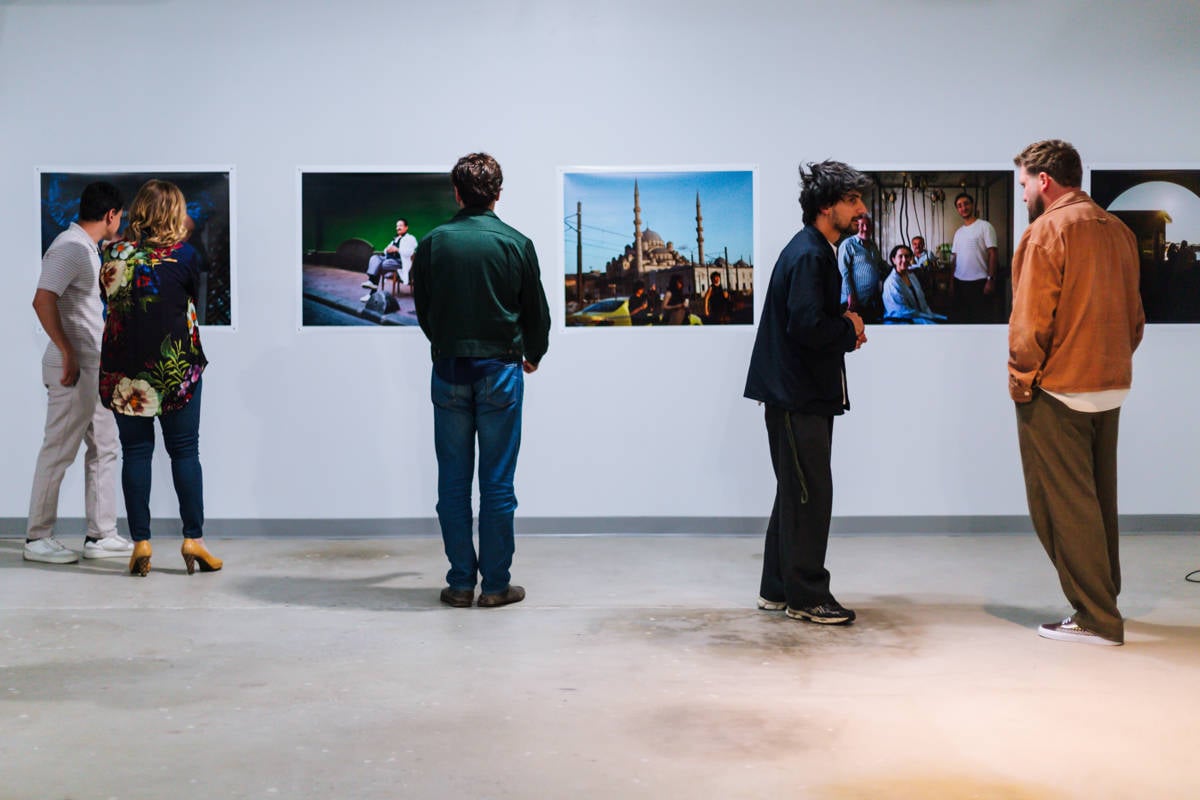
My great grandmother, Ovsanna, was never alone. Wherever she went, the voices followed her.
The screams visited her late at night, as she crawled into bed, seeking rest.
Whenever she ate spicy food, she said it reminded her of the enemy, how it burned.
Everyday chores could spark a memory that would shoot like a comet to the forefront of her consciousness. She would freeze while peeling potatoes or folding laundry, suddenly back there, in a moment of terror.
For the survivor generation, the past was present in an oppressive, literal way. Like millions of others, my great grandmother carried her grief until the very end, her only consolation being that those of us who came after would never forget.
I adopted the weight of this history the way one might inherit their nose shape or eye color. The stories became part of my genetics, absorbed, second nature.
Unlike my nene, born in a small town between Adana and Marash, I came of age within the sleepy landscape of suburban Los Angeles. Minivans lumbered down wide, manicured boulevards, ferrying children from school to art classes to little league games. Indoor malls were the nucleus of our social lives, places that offered everything we needed to eat, shop, and be entertained before piling back into our cars.
While so much of America looks like this, my hometown was exceptional in two ways––as a bastion of multi-culturalism and the epicenter of the global Armenian diaspora. Armenians from all over the world made homes in this city––a diverse tapestry that reflected the larger character of Los Angeles––and on April 24, we would come together.
On this somber day, businesses shuttered, parents took their children out of school, and all of us flooded the streets to demand justice. Fueled by a cocktail of anger and sorrow, we longed to take our ancestors’ stories out of the darkness.
The struggle for recognition became a fixture of life in the Armenian American diaspora, for which Los Angeles was the capital. While this cause unified us––a layered, multiply displaced population––it also kept us behind.
So suffocated we became by our own history, we forgot to tell our story in the present. Markers of Armenian culture became relics, suspended in time, to be venerated and preserved. For a child three generations removed from catastrophe, fighting against the tides of assimilation, the past can only offer so much in the present.
I craved more, a place where Armenian-ness was not just an ephemeral experience or hyphenated title, but a tangible, daily reality.
This impulse drove me to the Republic of Armenia, the symbolic homeland of all Armenians, a fertile soil in which to plant my identity. Despite the profound sense of belonging I developed in Armenia, my own roots lie outside its borders. One day, I resolved to visit the state that my ancestors were expelled from more than a century ago.
I found myself in Istanbul
Which is how I found myself in Istanbul in June 2025––to meet the ones who stayed.
Before my departure, my diasporan friends and family warned me with grave expressions:
“Don’t speak Armenian in the street.”
“Make sure you trust the person you are meeting with before revealing your name.”
“Remove Armenian symbols from your body.”
So much was my discomfort, I touched down in Istanbul airport feeling like a fugitive or spy, whose cover could be blown at any moment.
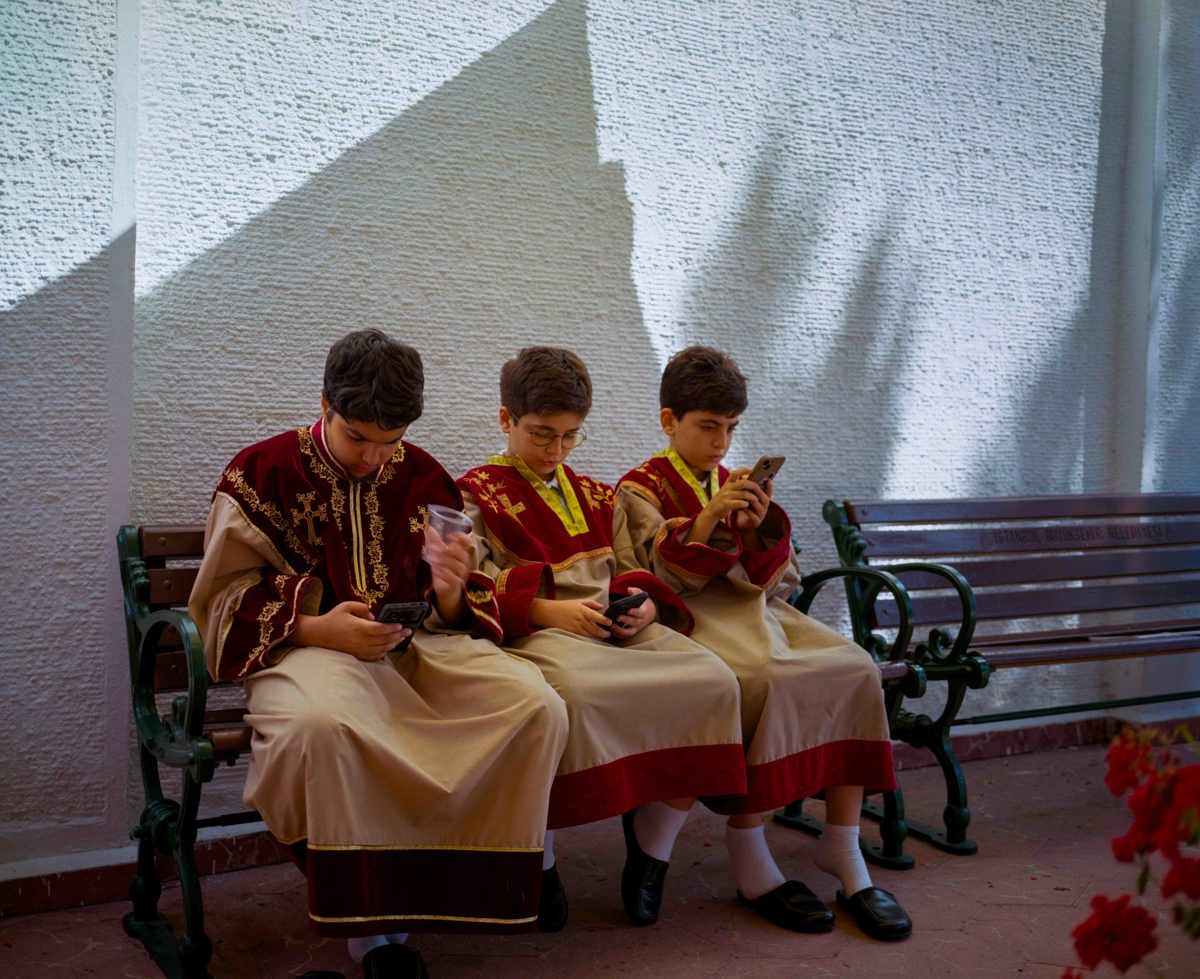
Lusavoriç Armenian church on Kınalıada island in June 2025
(Photo: Alexis Pazoumian)
Behind the immigration officer’s heavy eyelids, the same detached gaze I had observed in bureaucrats at border crossings around the world, I looked for signs that he might know I didn’t belong. I tucked my necklace underneath my shirt, the one I never take off, which contains an evil eye, my first initial in Armenian script, and a charm of Tatik Papik, the national monument of Artsakh, gifted to me by friends who lost everything there.
Despite my initial unease, the city enchanted me the way it has for so many––its rolling hills, glittering seascape, and colorful neighborhoods where entire civilizations seemed to come together. Istanbul vibrates on its own frequency, and the Armenian community is an integral part of this symphony.
Supported by funding from the Calouste Gulbenkian Foundation and accompanied by photographer Alexis Pazoumian, I structured my reporting around one question: What does it mean to be an Armenian in Turkey today? I spent hours lost in conversation, absorbing details of my subjects’ lives the way I had taken in my great grandmother’s stories years ago.
Like my own community, the Armenians of Istanbul are not a monolith. I interviewed people of myriad ages and professions: prominent intellectuals and Turkophone artisans of the Grand Bazaar, political activists and members of an artistically daring theatre group, even a chef.
Although Armenian spaces often presented themselves discreetly, behind unmarked doors or at the end of narrow alleyways, once inside, a vibrant world revealed itself. In Istanbul, the Western Armenian language remains vital and longstanding traditions take new forms.
While Armenians of the diaspora tend to regard Turkey as a place where we once were, visiting Istanbul shattered that narrative. Loss is undoubtedly a central theme of the Armenian experience, but this community also rests on an equally important legacy of continuous presence.
Informed by the words of Hrant Dink, I named my project The Ones Who Stayed to capture the enduring spirit of an indigenous people. This title guided my approach to the rich archive of photography and interviews that Alexis and I left with. On April 30, after nearly one year of preparation, we unveiled our work in Los Angeles with an exhibition of the same name.
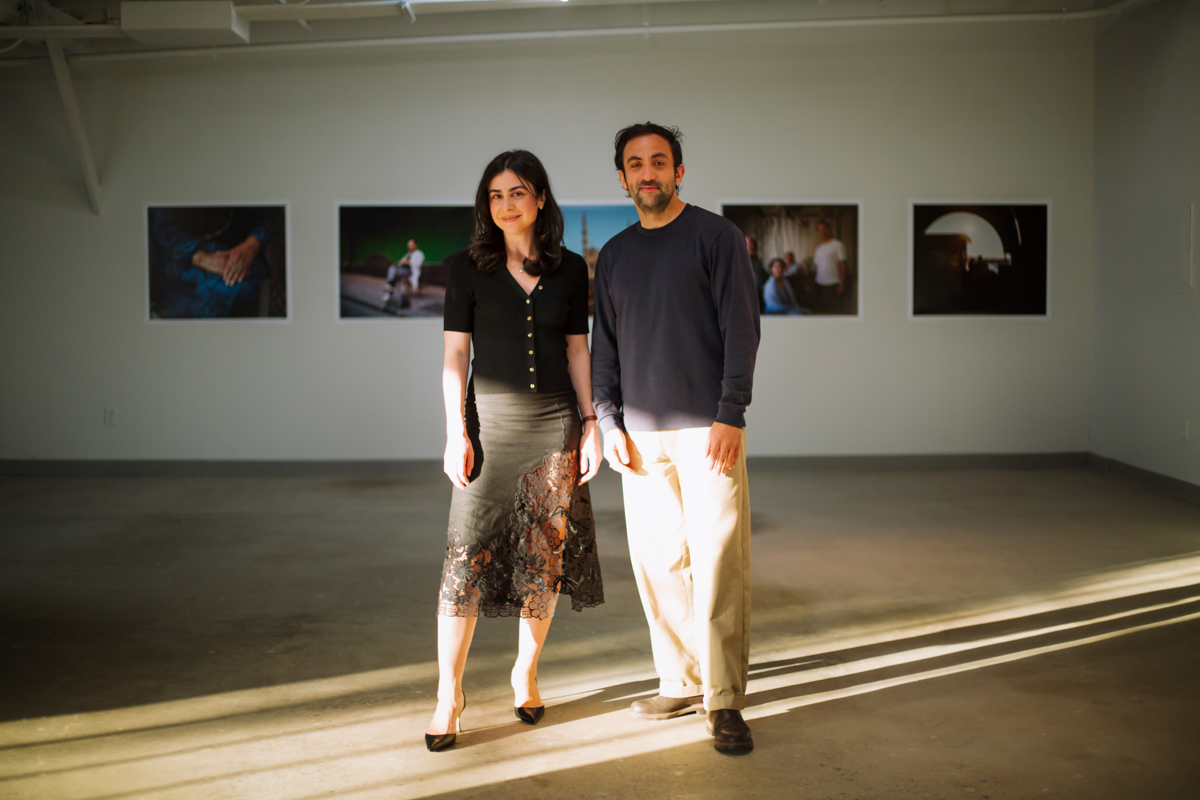
at the debut of "The Ones Who Stayed" exhibition
in Los Angeles on April 30, 2026. (Photo: Meg Aghamyan)
In Armenian, the moniker stood even taller: մենք հոս ենք. This firm declaration of place––“we are here”––connected to the essential question that the show posed: If we centered presence rather than absence, vitality over erasure, how would we see ourselves?
Hundreds of people gathered for the debut, overwhelming me with their genuine curiosity about Armenian life in a country associated almost exclusively with dispossession and erasure for those of us in diaspora.
To continue building the project in real time, we invited guests to complete cards with the following prompt: «մենք հոս ենք» ի՞նչ կը նշանակէ ձեզի համար: or “What does ‘we are here’ mean to you?”
The sober warnings I had received in preparation for my travel were replaced with expressions of awe and solidarity. Attendees reflected an openness to overcome diasporic baggage associated with present-day Turkey, and to transform the possibilities for those of us who trace our origins to the land.
I dedicated the exhibition to my great grandparents, Ovsanna and Krikor, whose story instilled in me the desire to return. Looking back, I imagine that my nene would have wanted us not only to remember, but to create something new on top of all that tragedy. The Armenians of Istanbul showed me that doing so is possible, despite unimaginable loss. They stayed, and with their presence, they represent a piece of all of us.
(This project was supported by the Calouste Gulbenkian Foundation’s արդ եւս / in view Western Armenian Culture Grant Program. The exhibition was presented by the USC Dornsife Institute of Armenian Studies, with additional fiscal sponsorship by Los Angeles City Council District 13. The debut event was co-sponsored by the Organization of Istanbul Armenians in Los Angeles.
Maral Tavitian is a journalist from Los Angeles and Managing Director of the USC Dornsife Institute of Armenian Studies)