


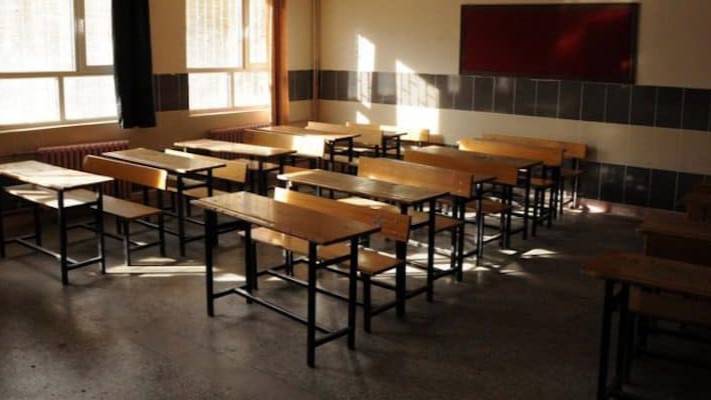
In a report by İşhan Erdinç published on August 13, we announced the following development:
“Inspectors from the Ministry of National Education began inspecting Armenian schools last week. It was learned that the inspectors told school administrators that Armenian schools could no longer accept students from Armenia and that these students would have to continue their education at public or private schools. The inspectors also requested information about what had happened to students from Armenia who had received their education at these schools in previous years.” Our report resonated both in Turkey and in Armenia.
The Ministry of National Education’s Regulation on Private Educational Institutions had been published in the Official Gazette dated March 20, 2012. The regulation included the following provision:
“Foreign-national guest students may also receive education at schools, considering the institution’s enrollment capacity; however, diplomas may not be issued to these students. Students who leave the school shall be given a document prepared by the school administration indicating the courses they attended and the grades they received.”
Armenian schools have been accepting students from Armenia for approximately 14 years, taking this provision into account. However, these students cannot be issued diplomas. While the inability to receive a diploma already constitutes a loss of rights, it was unclear on what grounds these inspections and verbal instructions concerning students from Armenia had been carried out. The development caused considerable concern both among Armenian schools in Turkey and among students from Armenia and their parents.
There was a meeting with the minister, but…
Following our report, the issue was also raised at the Armenian Foundations Union meeting on August 24, where AKP Istanbul MP Assoc. Prof. Dr. Sevan Sıvacıoğlu said that he would take care of the matter.
In a statement to Agos on the morning of August 26, Sıvacıoğlu said that he had discussed the issue with Minister of National Education Yusuf Tekin. According to Sıvacıoğlu’s account, during the meeting with Minister Tekin, the ministry conveyed the message that “there has been no new regulation concerning guest students studying at Armenian community schools in recent days, and that schools are continuing their educational activities in accordance with the existing regulation.”
In the editorial we wrote that same week following this statement, we said:
“With this development, the problem appears to have been resolved for the time being. In other words, it appears that students from Armenia will be able to continue their education at Armenian schools—again, without being able to receive diplomas. However, the questions have not gone away. On what grounds were these inspections carried out, and by whom were the inspectors assigned? Why has the Ministry of National Education not issued, and still is not issuing, an official statement regarding a matter we have kept on the agenda for two weeks? Minority schools have many problems, beginning with their legal status. Yet, as with our other problems, these issues emerge ‘verbally,’ and messages about resolving them are also delivered ‘verbally.’ It is our greatest expectation and our right, as members of a minority community, that these issues be openly discussed in public, debated, and resolved.”
Anxiety prevails in the schools
After all this had happened, just before schools were due to reopen, we learned that inspectors affiliated with the Ministry of National Education had once again visited Armenian schools and had specifically requested information from administrators about students from Armenia, particularly information concerning previous years.
Following at least two inspections, administrators at some Armenian schools also began to feel anxious about how they should proceed and became unsure about what they should do regarding students from Armenia seeking to enroll for the new school year. In fact, according to information we have received, they are telling Armenian families who come to enroll their children that they cannot register them.
We understand that students from Armenia who are currently studying at these schools without receiving diplomas may continue attending the schools. However, this issue is not clear either, and because of the current situation, some Armenian families have had to enroll their children in public or private schools.
Therefore, the problem has not been resolved. Indeed, far from being resolved, the problem remains for children from Armenia who need to start primary or secondary school. At this point, the Ministry of National Education needs to issue an official and substantive statement. Verbal, ambiguous statements based on personal contacts not only fail to clarify the matter, but also do nothing to remedy the fundamental loss of rights suffered by students from Armenia.
When we first reported on the issue, we made the following reminder: Last year, a total of 50 students from Armenia were studying at Armenian schools.
Let us ask the following questions: How do 50 students from Armenia constitute a “problem” for the Ministry of National Education? First and foremost, we are seeking an answer to this question.
And, most importantly, what kind of communication is taking place between our institutions and Ministry of National Education officials to ensure that these students do not suffer a loss of rights? Is any work being carried out to resolve this uncertainty positively, and to ensure that these students can exercise one of their most fundamental rights, the right to education?
If such work is being carried out, explain it. If it is not, we also want to know why not.
And it is not only us who want to know. Our schools, Armenian parents and students, and, of course, all advocates of rights want to know as well.


