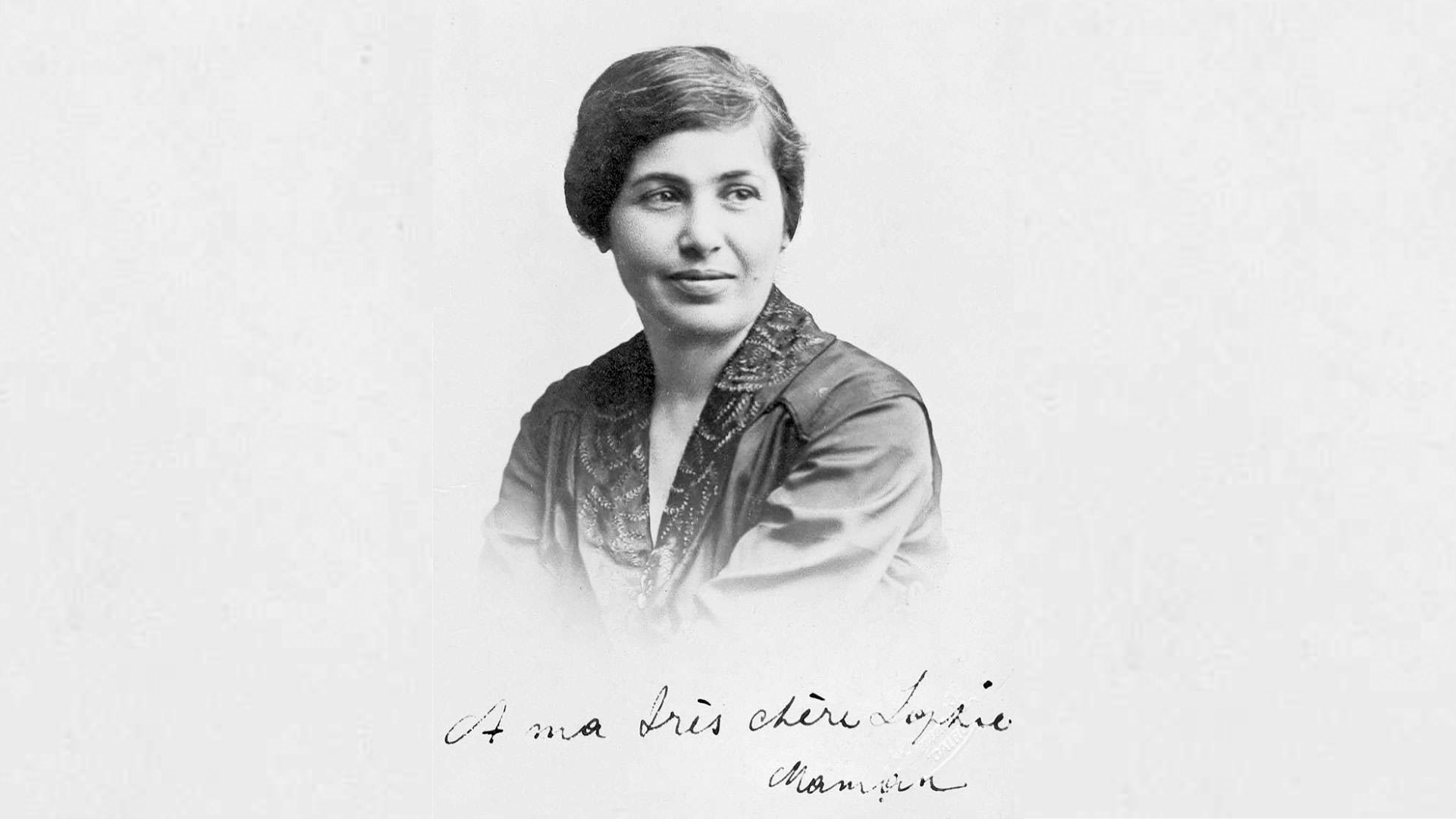
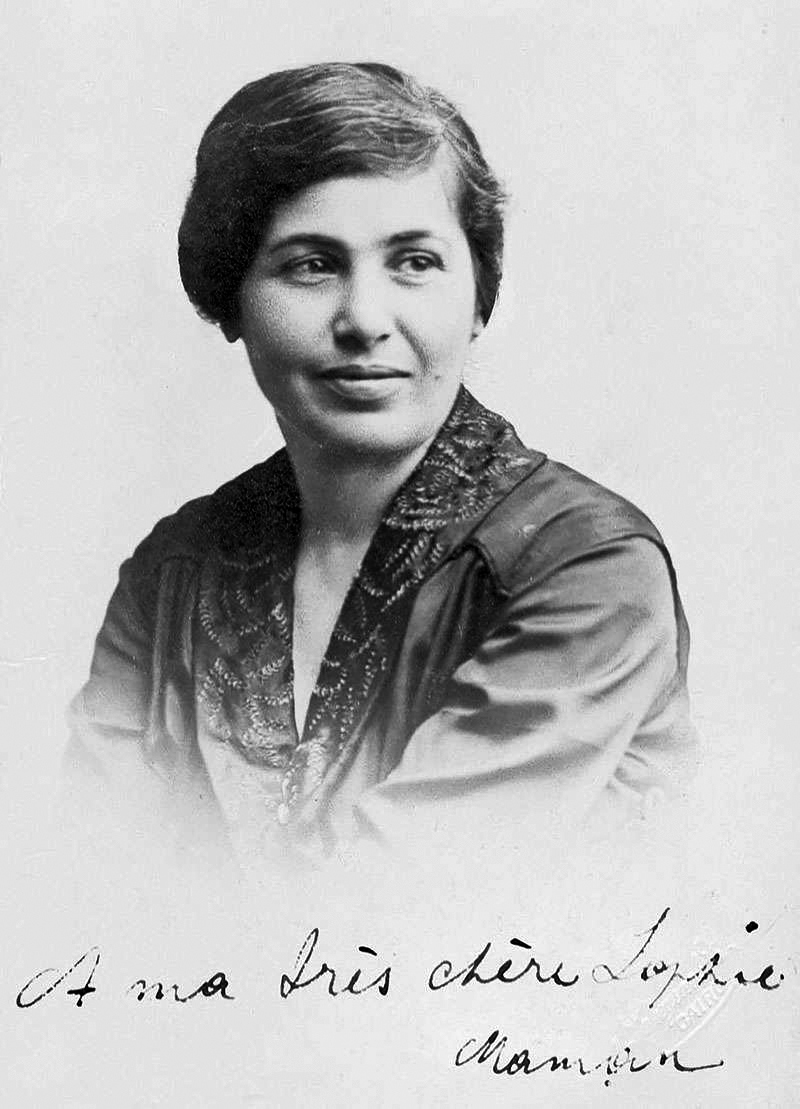
I have penned this piece on the occasion of the birthdays of Virginia Woolf, born in 1882, and Zabel Yesayan, born in 1878, which fall consecutively in the months of January and February. For many, Zabel Yesayan is an author who identifies with Virginia Woolf in the West. However, the hardships Yesayan endured compared to Woolf is a significant issue that is frequently underscored. Ultimately, Woolf lived within a privileged circle, even amidst two World Wars, and was never exiled from London, where she was born and raised. Moreover, Woolf today is not only a cornerstone of English literature but also a focal point of the modernist movement and the entire Western canon. In contrast, Yesayan’s works, available either in her native Armenian or through translations, are limited, and it cannot be said that these works have been sufficiently analyzed yet. Nevertheless, when looking at Yesayan’s biography, the fact that she went to Paris for a university education as an Armenian woman living in the Ottoman era is a major phenomenon in its own right, and at times, even a cause for astonishment within European academia.
I witnessed this astonishment a few years ago at a conference I attended in Paris. At this gathering, where experts on Simone de Beauvoir and Virginia Woolf came together, I delivered a presentation discussing the ekphrastic narratives in the works of Beauvoir, Woolf, and Yesayan, comparing how this aesthetic style of writing transformed into a social response and critique through the eyes of these three women. The fact that the event was taking place in the very location where Yesayan was once a student, changed nothing, of course; almost no one in the hall had any idea who Zabel Yesayan was. In the brief biographical information I provided before starting the close reading of the texts, what surprised the majority was that an Ottoman Armenian woman of that period had traveled to attend the Sorbonne for a university education; especially when even Virginia Woolf could not study at Oxford or Cambridge due to the rigid English rules of her time.
 You might think I am sharing this anecdote as a source of pride now, or imagine how I beamed with pride for Yesayan upon seeing scholars from many different countries unable to hide their amazement at this fact. However, I would like to state the opposite: no. When we look at the big picture, this was not a matter of pride but rather one of sadness. While the textual analyses of De Beauvoir and Woolf were being discussed, I began to question in my mind whether the only intriguing thing about Yesayan was that she had studied at the Sorbonne during that era, and I did not hesitate to voice this question with a smile on my face. Immediately afterward, some listeners began researching which of Yesayan's works had been translated into different languages, and they were already starting to ask questions about the novel I examined, My Exile Soul, and Yesayan’s literature in general.
In fact, perhaps I should not have been surprised, because even within our own society, there were those who preferred to examine Yesayan through a stereotyped understanding of feminism. This approach acknowledged the testimonies Yesayan lived through. However, when it came time to examine her works, most of which have not properly come to light anyway, what she wrote about women "as a woman" and what she did for women's rights took on more importance. This is because Yesayan has been turned into the pioneer figure of the "Ottoman Armenian women’s feminism" concept created today, which I also discussed in my previous article. In a sense, this was an approach that did not go much further than identifying Yesayan with classical Western feminism. My goal back them was to discuss the intersections of oral and visual narrative in Yesayan’s text; for me, this textual discussion was vital for capturing a new perspective in Yesayan’s literature, not for seeking a sense of equality with De Beauvoir and Woolf.
I see Zabel Yesayan not only as a writer who sought to establish women's existence against patriarchy, but also as one who witnessed the fragmentation both in the provinces and in Istanbul, from the inside, before and after it occurred; seeking a social existence behind this testimony. In her novel My Soul in Exile, the sections where a female painter returns to Istanbul, turns her home into a virtual gallery, and verbally describes this interaction while observing her own visual works, emerge as an artistic critique of the struggle she was part of and her encounters and reckonings with the Armenian intelligentsia after 1915. Therefore, in a text where verbal and visual descriptions gain such importance in interpreting personal and social conditions, speaking only of a romantic depiction of the painter Emma would be both an injustice to the author and an exclusion of a significant part of the narrative.
Producing within a patriarchal order has been one of the common issues for the world's most famous female writers. This is the same for both Woolf and Yesayan. However, the fact that Yesayan continued her life as a writer and supported her family despite being tossed around in exile through the devastating experiences she endured, and her ability to weave her testimonies and social deductions from the provinces and Istanbul into literary fiction, carries Yesayan's literature to an important place of its own. At this point, to understand Yesayan through a new perspective, it is necessary to remember the importance of evaluating her testimonies stretching from Istanbul to the provinces and the historical, social, and cultural reflections of these testimonies, alongside evaluating her works through her views on women's issues. I believe that when we approach Yesayan's works in such a multi-faceted way, we will actually better grasp her understanding of feminism, and this grasp will contribute to all Armenian women's writing and Yesayan studies.